



Operator Decision-Making and Its Impact on Skid Steer Attachment Efficiency
On active job sites, equipment productivity is often attributed to machine specifications or attachment capability. However, daily operations reveal another decisive factor: operator decision-making. The timing, sequencing, and judgment behind each action significantly influence how efficiently a skid steer attachment performs throughout a work cycle.
Attachments do not operate independently. Their effectiveness depends on hundreds of small decisions made by operators during loading, positioning, lifting, and transitioning between tasks. Understanding how decision-making affects attachment efficiency helps contractors improve performance without altering equipment configurations.
Decision-Making as Part of Equipment Performance
Every attachment movement begins with a decision. Operators constantly evaluate material resistance, machine balance, travel distance, and task priority. These micro-decisions determine whether attachments operate smoothly or encounter unnecessary stress.
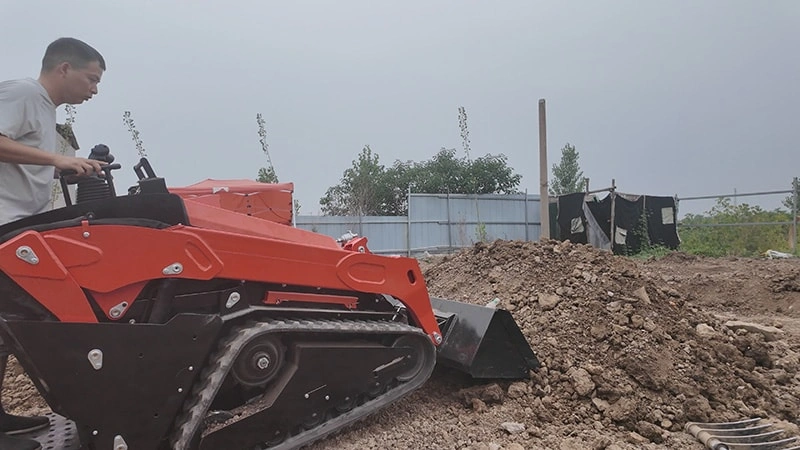
For example, deciding when to enter a material pile influences bucket filling efficiency. Entering too early reduces load capacity, while entering too aggressively increases hydraulic resistance. Experienced operators learn to read material behavior before committing to movement.
A skid steer bucket performs most efficiently when operator decisions align with material conditions rather than fixed routines.
Anticipation Versus Reaction
Efficient operators anticipate machine behavior instead of reacting after instability occurs. Anticipation reduces corrective movements, which are a major source of inefficiency.
Reactive operation often includes:Sudden joystick corrections;Repeated repositioning;Overcompensation during lifting.
Abrupt stopping motions
These actions increase hydraulic fluctuation and mechanical stress.
Anticipatory operation involves observing attachment motion and adjusting inputs before imbalance develops. This approach produces smoother cycles and reduces unnecessary energy consumption.
Attachments function best when motion remains predictable rather than corrective.
Choosing Movement Speed Based on Task Context
One of the most important operator decisions involves selecting appropriate movement speed. Faster movement does not always improve productivity. In many cases, excessive speed leads to repositioning errors that extend total cycle time.
Operators constantly balance three factors:Precision requirement;Material resistance.
Travel distance
For ground engagement tasks, slower controlled entry often results in fuller loads and fewer repeat attempts. During transport phases, moderate speed maintains stability and prevents load loss.
Decision quality determines efficiency more than maximum machine capability.
Attachment Positioning Decisions
Positioning determines how forces transfer through the attachment structure. Small changes in angle or height dramatically influence workload distribution.
Poor positioning decisions frequently cause:Uneven wear patterns;Increased hydraulic pressure spikes.
Reduced attachment penetration efficiency
Operators who align attachments carefully before applying force reduce resistance and improve overall productivity.
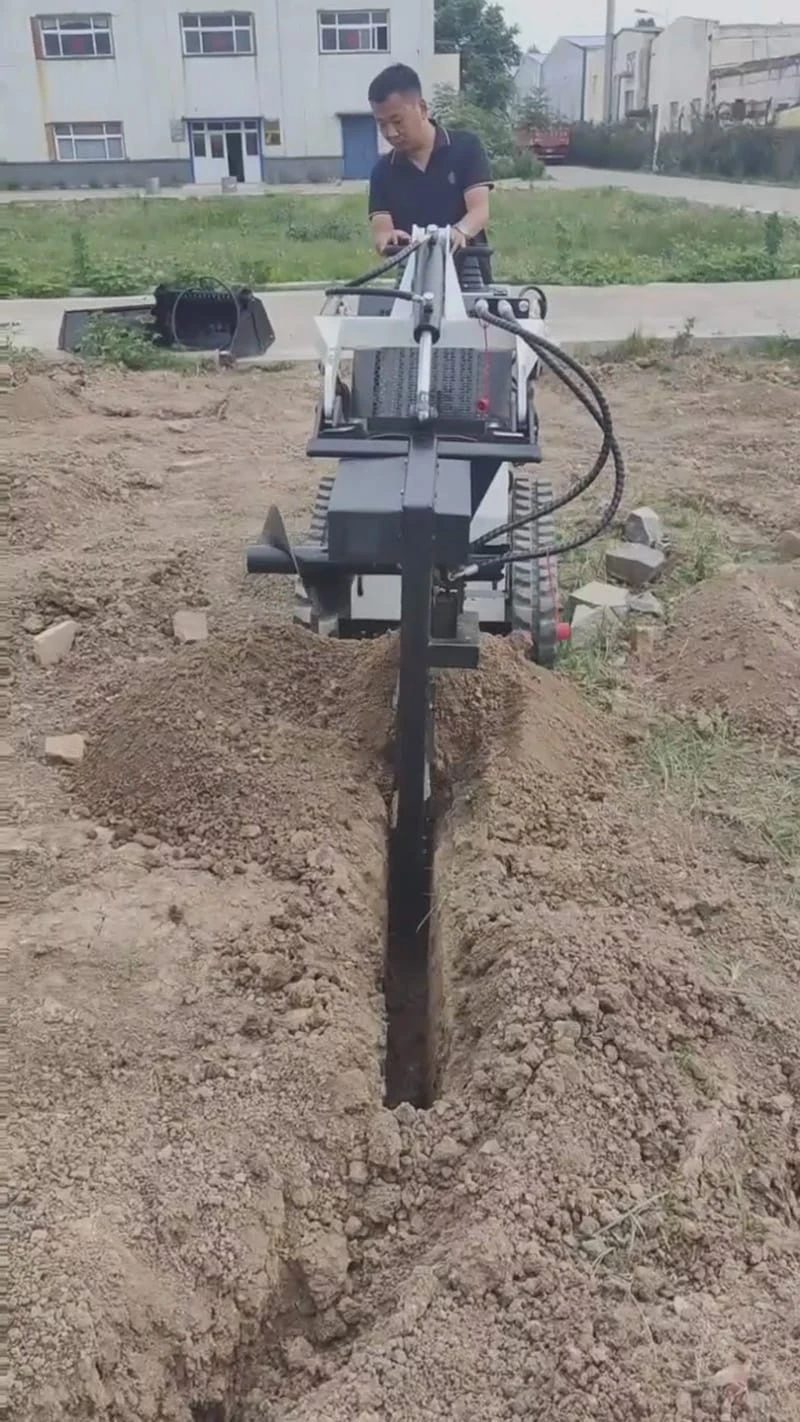
For example, aligning a trencher straight before engagement prevents lateral stress that would otherwise reduce cutting efficiency.
Task Prioritization and Efficiency
Job sites often present multiple simultaneous tasks. Operators must decide which activity to complete first. Poor prioritization can create unnecessary attachment transitions and workflow disruption.
Efficient prioritization typically follows workload intensity:High-resistance tasks first;Transport and relocation tasks second.
Finishing or cleanup operations last
This sequence reduces hydraulic adaptation cycles and maintains stable operating conditions.
Decision-making at this level influences attachment longevity as much as mechanical design.
Cognitive Load and Operational Accuracy
Operator decision-making quality changes throughout the workday. Fatigue increases cognitive load, making decisions slower or less precise.
High cognitive load leads to:Delayed responses;Increased correction movements.
Reduced situational awareness
Well-structured workflows reduce decision pressure by providing predictable task sequences. When operators know what comes next, decisions become simpler and more consistent.
Reduced mental strain directly improves attachment performance stability.
Learning Through Feedback Loops
Operators improve decision-making through feedback from attachment behavior. Vibrations, resistance changes, and motion smoothness all provide real-time information.
Experienced operators interpret these signals subconsciously, adjusting inputs automatically.
This feedback loop develops through repetition:Observe attachment response;Adjust control input;Evaluate result.
Refine future decisions
Attachments effectively teach operators how to operate them efficiently.
Decision Consistency Across Teams
On multi-operator job sites, inconsistent decision-making produces uneven attachment wear and unpredictable productivity.
Standardizing operational guidelines helps maintain consistency. Teams benefit when operators share common approaches to:Entry angles;Travel speeds;Load limits.
Transition timing
Consistency allows attachments to operate within predictable stress ranges, extending service life.
Decision-Making as an Efficiency Multiplier
Improved decision-making multiplies the effectiveness of existing equipment. Contractors often seek productivity gains through larger machines or additional attachments, yet operational decisions frequently offer greater improvement potential.
Better decisions lead to:Reduced idle time;Fewer corrective movements;Lower fuel consumption;Improved safety margins.
These gains accumulate across every work cycle.
Integrating Decision Awareness Into Training
Practical operator training increasingly emphasizes decision awareness rather than only mechanical control skills. Understanding why actions are taken improves adaptability across different job conditions.
Training scenarios that simulate varying material resistance or terrain conditions help operators develop judgment skills.
Decision-focused training produces operators capable of maintaining efficiency even in unfamiliar environments.
Conclusion
Skid steer attachment efficiency depends not only on equipment capability but also on operator decision-making. Every movement reflects choices related to timing, positioning, and workflow prioritization.
Operators who anticipate machine behavior, align actions with task requirements, and maintain consistent judgment enable attachments to operate smoothly and efficiently. Over time, improved decision-making reduces wear, stabilizes hydraulic performance, and enhances overall job site productivity.
In practical operations, equipment performance is not determined solely by machines—it emerges from the decisions guiding their use.