



Understanding Attachment Lifecycle Management in Skid Steer Daily Operations
On active job sites, skid steer attachments are often evaluated only when visible wear or performance problems appear. However, experienced contractors understand that attachment efficiency is closely tied to lifecycle management rather than isolated maintenance events. A well-managed skid steer attachment can maintain consistent performance over thousands of operating hours, while poorly managed tools may degrade long before reaching their expected service life.
Attachment lifecycle management focuses on how tools are used, monitored, and integrated into daily workflows. Instead of reacting to failures, contractors who understand lifecycle behavior maintain stable productivity and reduce unexpected downtime.
What Defines an Attachment Lifecycle?
The lifecycle of a skid steer attachment begins long before wear becomes visible. It includes several operational phases:Initial adaptation period;Stable performance phase;Gradual efficiency decline;Maintenance intervention stage;Performance recovery or replacement.
Many operators assume attachments remain fully efficient until failure occurs. In reality, performance typically declines gradually due to cumulative stress, hydraulic variation, and material interaction.
Recognizing early lifecycle stages allows contractors to maintain efficiency without interrupting operations.
The Early Adaptation Period
When a new attachment enters service, both machine and operator require a short adjustment period. Hydraulic behavior, weight distribution, and control sensitivity may differ from previously used tools.
During this stage, operators often notice minor inconsistencies such as slightly delayed response or unfamiliar balance characteristics. These are normal adaptation effects rather than mechanical issues.
For example, a skid steer bucket may initially feel heavier or slower depending on material thickness and structural design. After several operating cycles, hydraulic flow stabilizes and operators naturally refine control inputs.
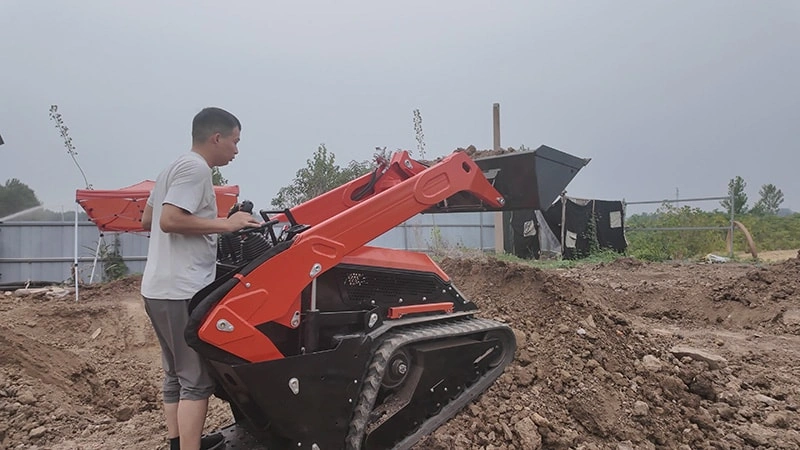
Allowing gradual adaptation prevents unnecessary stress during the attachment’s earliest operating hours.
The Stable Performance Phase
The longest portion of an attachment’s lifecycle occurs during stable performance. At this stage:Hydraulic response becomes predictable;Wear patterns remain uniform;Operator familiarity increases efficiency.
Maintenance requirements remain minimal
Efficiency during this phase depends heavily on consistent operating habits. Smooth motion cycles, proper load limits, and controlled travel speeds help maintain structural integrity.
Attachments working under stable conditions often deliver the highest productivity because operators trust their behavior and require fewer corrections.
Gradual Efficiency Decline: The Invisible Stage
One of the most overlooked lifecycle stages is gradual efficiency decline. Unlike sudden failures, this phase develops slowly and is often unnoticed.
Indicators include:Slightly increased vibration;Reduced material retention efficiency;Increased hydraulic effort for similar tasks.
Minor alignment inconsistencies
Because these changes occur incrementally, operators adapt subconsciously, masking performance loss.
A sweeper attachment, for instance, may continue functioning while requiring additional passes to achieve the same cleaning result. Productivity decreases even though no obvious damage is present.
Recognizing this stage allows timely maintenance that restores performance before major wear occurs.
The Role of Preventive Maintenance
Lifecycle management emphasizes preventive maintenance rather than corrective repair. Preventive actions include:Inspecting mounting points regularly;Monitoring hydraulic hose condition;Checking wear edges and contact surfaces.
Lubricating moving joints consistently
Preventive maintenance does not aim to eliminate wear but to control its progression. Balanced wear patterns extend operational life and maintain predictable attachment behavior.
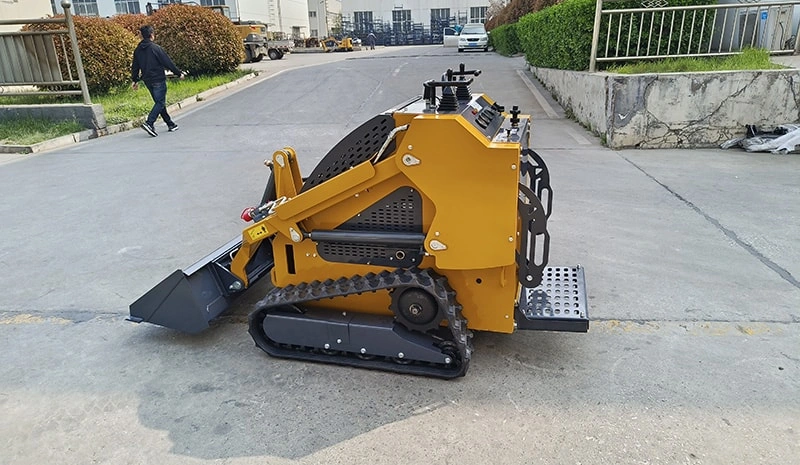
Attachments maintained during early decline stages often return to near-original performance levels.
Operator Behavior and Lifecycle Extension
Operator habits significantly influence attachment lifespan. Aggressive operation introduces shock loads that accelerate fatigue within structural components.
Common lifecycle-reducing behaviors include:Sudden directional changes under load;Overloading beyond intended capacity;Operating at maximum hydraulic input continuously
Frequent impact against rigid surfaces
Conversely, controlled operation distributes stress evenly, allowing attachments to age gradually rather than deteriorate rapidly.
Lifecycle management therefore depends as much on operator discipline as on maintenance schedules.
Environmental Factors Affecting Lifecycle
Job site conditions also influence attachment longevity. Abrasive soil, moisture exposure, and temperature variation all affect wear rates.
Attachments used in sandy environments experience faster edge wear, while muddy conditions increase resistance and hydraulic load. Cold environments may temporarily reduce hydraulic responsiveness, encouraging operators to apply excessive force.
Understanding environmental effects allows contractors to adjust operating techniques rather than attributing wear solely to equipment quality.
Economic Benefits of Lifecycle Awareness
Managing attachment lifecycle improves financial predictability. Instead of sudden replacement costs, contractors plan maintenance and replacement schedules based on observed wear progression.
Benefits include:Reduced unexpected downtime;Lower long-term maintenance cost;Stable productivity forecasting.
Improved equipment utilization rates
Lifecycle awareness transforms attachments from consumable tools into managed operational assets.
Integrating Lifecycle Thinking Into Workflow Planning
Efficient job sites incorporate lifecycle considerations into daily planning. Attachments are rotated between tasks when appropriate, preventing concentrated wear from repetitive operations.
For example, alternating between loading and transport tasks reduces continuous stress on a single attachment function. This balanced usage pattern extends service intervals without reducing productivity.
Operators also learn to recognize performance changes early, reporting adjustments before failures occur.
Conclusion
Attachment lifecycle management plays a critical role in maintaining skid steer efficiency over time. Rather than focusing solely on repair after failure, contractors benefit from understanding how attachments evolve through stages of use, adaptation, and gradual wear.
By monitoring performance changes, applying preventive maintenance, and maintaining consistent operating habits, skid steer attachments remain productive for longer periods. Lifecycle awareness improves reliability, reduces operational interruptions, and supports sustainable job site performance.
In practical operations, the lifespan of an attachment is determined less by design limits and more by how intelligently it is used and maintained throughout its working life.