



Hydraulic Load Management in Multi-Attachment Skid Steer Operations
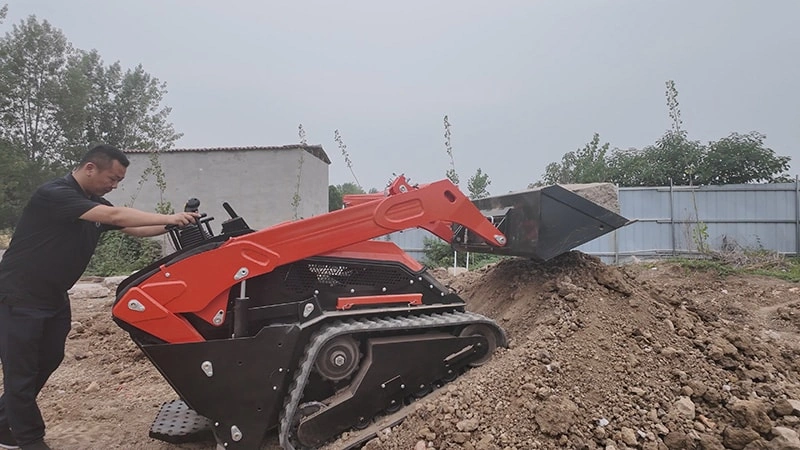
On modern job sites, skid steer loaders rarely perform a single task throughout the day. Instead, operators frequently switch between attachments such as buckets, grapples, breakers, or sweepers depending on changing work requirements. While this versatility improves efficiency, it also introduces a technical challenge that is often overlooked: hydraulic load management.
Effective skid steer attachment performance depends not only on hydraulic power availability but also on how hydraulic loads are distributed and managed across different operating conditions. Improper load handling can reduce responsiveness, increase wear, and create instability even when the machine itself is functioning normally.
Understanding hydraulic load behavior helps operators maintain consistent performance when multiple attachments are used within the same workflow.
Understanding Hydraulic Load in Daily Operations
Hydraulic load refers to the resistance encountered by hydraulic flow as an attachment performs work. Each attachment imposes a different demand on the system. A bucket lifting soil produces relatively stable pressure changes, while a hydraulic breaker or auger introduces rapid load variations.
When operators switch attachments without adjusting operating habits, hydraulic systems must suddenly adapt to new pressure requirements. These transitions can create temporary inefficiencies such as delayed response, uneven movement, or excessive engine strain.
For example, a skid steer bucket used for material loading typically requires smooth, moderate hydraulic flow. After switching to a high-demand attachment like a hydraulic breaker, the same control inputs may feel sluggish because the system is now managing significantly higher resistance.
Why Attachment Switching Changes Machine Behavior
Many operators notice that machines “feel different” after changing attachments. This sensation is not subjective; it results from changes in hydraulic pressure balance.
Attachments differ in:Flow rate requirements;Pressure resistance;Continuous vs intermittent load patterns;Weight distribution affecting pump demand;When a heavy hydraulic attachment is installed, pumps must maintain higher baseline pressure. This reduces the margin available for sudden movements, making controls appear less responsive.
Without understanding this effect, operators may compensate by increasing control aggressiveness, unintentionally worsening system instability.
Managing Load Transitions Between Attachments
Efficient operators treat attachment changes as hydraulic transitions rather than simple mechanical swaps. After installing a new attachment, allowing a brief warm-up period helps stabilize hydraulic flow and equalize pressure.
Practical methods include:Running low-intensity movements before full workload;Gradually increasing operating speed;Avoiding immediate maximum load application;Monitoring response consistency during early cycles;These practices allow hydraulic circuits to adjust smoothly, reducing stress on pumps and valves.
A common example occurs when switching from transport tasks using pallet forks to ground-engaging work. Operators who immediately apply heavy force often experience jerky motion. Those who gradually increase load achieve smoother control and better precision.
Continuous Load vs Impact Load Attachments
Attachments generally fall into two hydraulic categories:
Continuous Load Attachments
Examples include buckets, sweepers, and rotary tillers. These tools apply steady resistance, allowing hydraulic pressure to stabilize during operation.
Continuous loads are easier on hydraulic systems when operated smoothly. Efficiency depends largely on consistent motion cycles.
Impact or Variable Load Attachments
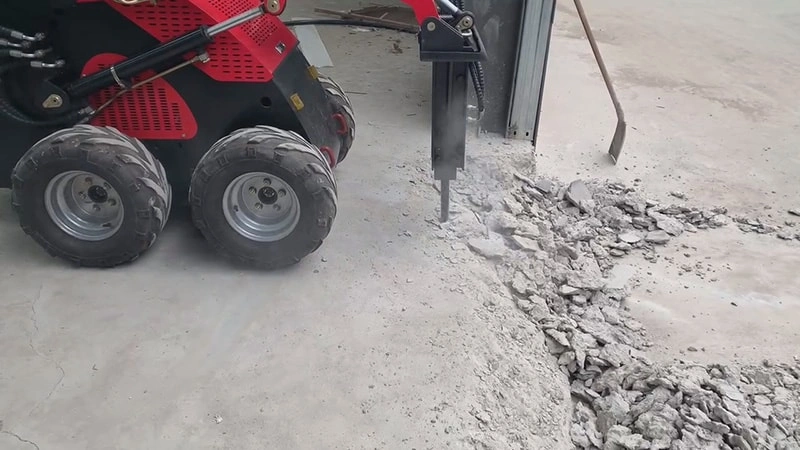
Hydraulic breakers and augers create rapidly changing pressure demands. These fluctuations require quick system adjustments and increase thermal stress.
Operators must reduce unnecessary movements when using variable-load attachments. Combining aggressive machine motion with impact loads amplifies hydraulic instability.
Temperature and Hydraulic Efficiency
Hydraulic load management is closely linked to operating temperature. High loads generate heat, which affects oil viscosity and system responsiveness. When multiple attachments are used consecutively, temperature variation becomes more pronounced.
Operators sometimes misinterpret slower response as mechanical issues when the cause is thermal change within hydraulic fluid.
Maintaining steady workloads and avoiding abrupt transitions helps control temperature fluctuations. Short idle periods between heavy operations allow cooling without interrupting workflow significantly.
Proper thermal balance improves attachment precision and extends component lifespan.
Operator Awareness as a Performance Tool
Hydraulic load cannot be directly seen, but experienced operators learn to recognize it through machine feedback. Indicators include:Slight delay in attachment response;Increased engine sound under load;Reduced smoothness during directional changes;Faster hydraulic temperature rise
Recognizing these signs allows operators to adjust behavior before efficiency declines.
Rather than forcing performance through aggressive inputs, skilled operators adapt movement speed to hydraulic conditions. This adaptive approach improves overall system harmony.
Long-Term Benefits of Load Management
Consistent hydraulic load management delivers measurable advantages:Reduced pump and valve wear;Improved attachment responsiveness;Lower fuel consumption during mixed operations;Fewer overheating interruptions;Extended service intervals.
For contractors operating skid steer loaders across varied tasks, these improvements accumulate significantly over time.
Machines exposed to balanced hydraulic workloads often maintain stable performance even after extended operational hours, while poorly managed systems experience gradual efficiency loss.
Viewing Attachments as Hydraulic Partners
Attachments should not be considered independent tools attached to a machine. Instead, they function as active hydraulic partners that influence system behavior.
Every attachment changes how hydraulic energy is distributed. Operators who understand this relationship achieve smoother workflows because they anticipate changes rather than reacting to them.
This perspective transforms attachment switching from a routine action into a controlled operational process.
Conclusion
Hydraulic load management plays a central role in maintaining consistent skid steer performance during multi-attachment operations. Differences in attachment resistance, pressure demand, and workload patterns directly influence machine responsiveness and efficiency.
By recognizing hydraulic transitions, gradually applying load, and adapting operating habits, contractors can improve attachment performance without modifying equipment. Effective load management protects hydraulic components, stabilizes machine behavior, and supports reliable productivity across diverse job site conditions.
In practical terms, managing hydraulic load is less about increasing power and more about using available power intelligently.