



How Auxiliary Hydraulics Improve Mini Excavator Attachment Performance
Mini excavators have evolved from simple digging machines into multi-functional equipment platforms largely because of auxiliary hydraulic systems. These additional hydraulic circuits allow operators to power a wide range of attachments, significantly expanding machine capability across construction, landscaping, agriculture, and municipal applications.
Understanding how auxiliary hydraulics work — and how to optimize them — directly affects attachment efficiency, fuel consumption, and equipment lifespan.
What Are Auxiliary Hydraulic Systems?
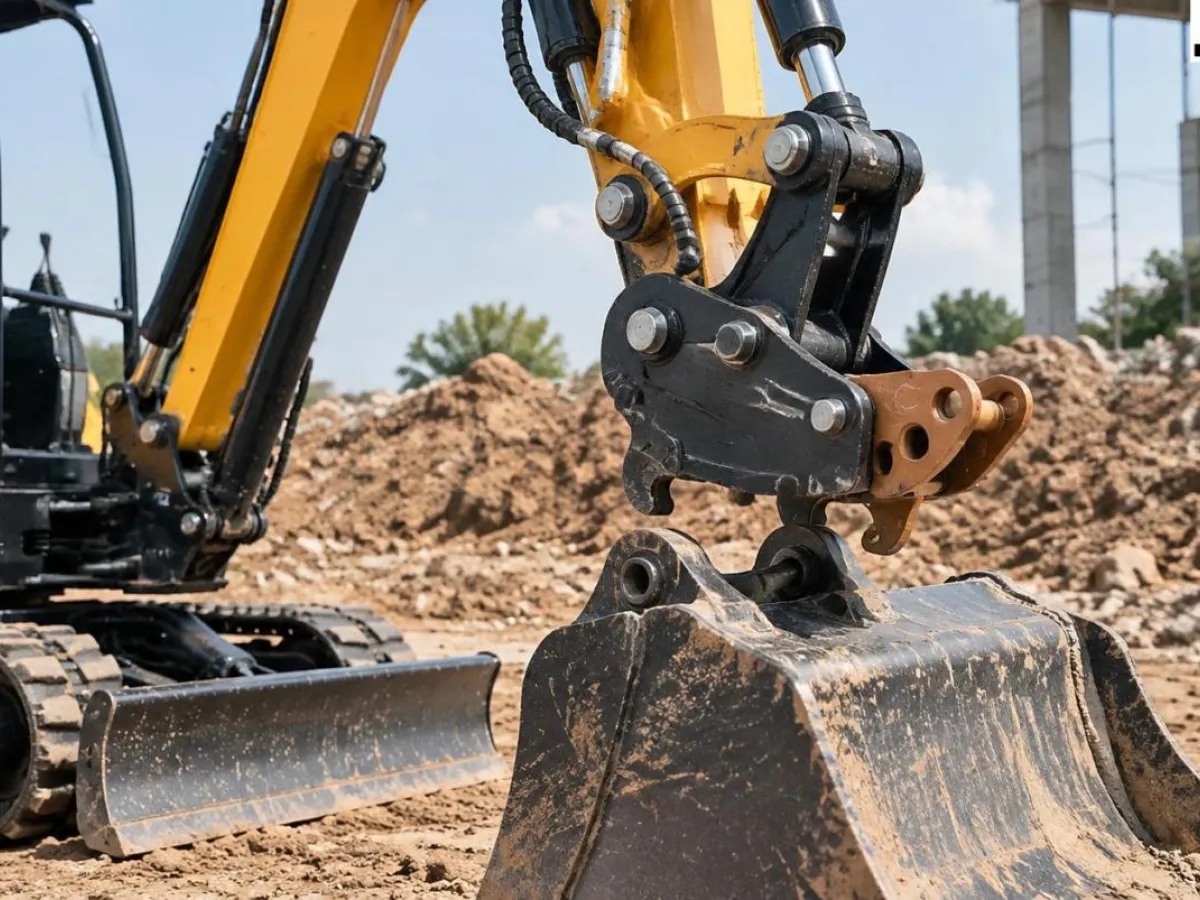
Auxiliary hydraulics are secondary hydraulic lines installed on an excavator boom to deliver pressurized oil to attachments requiring powered movement.
Unlike standard bucket cylinders, auxiliary systems provide continuous hydraulic flow for tools such as:Hydraulic breakers;;Augers;Grapples;Compactors;Hedge trimmers;Tilt mechanisms.
Without auxiliary hydraulics, these attachments cannot operate.
Single vs Dual Auxiliary Circuits
Mini excavators typically offer two configurations.
Single-direction auxiliary circuit
Oil flows one direction
Suitable for breakers and compactors
Simpler and lower cost
Bi-directional auxiliary circuit
Oil flows both directions
Required for rotating or opening/closing attachments
Greater operational flexibility
Machines equipped with dual circuits support more advanced attachments and future upgrades.
Flow Rate Optimization
Hydraulic flow rate determines attachment speed and efficiency.
If flow is too low:Slow attachment response;Reduced productivity;Increased cycle times.
If flow is too high:Seal damage;Overheating;Accelerated wear.
Operators should adjust flow settings based on attachment manufacturer specifications rather than running maximum output continuously.
Pressure Control and Protection
Hydraulic pressure affects power output. Proper relief valve configuration protects both attachment and excavator components.
Correct pressure settings help prevent:Hose rupture;Cylinder damage;Pump overload;Structural stress.
Modern excavators allow pressure adjustment through onboard control panels, simplifying setup.
Attachment Performance Improvements
Auxiliary hydraulics enhance several performance factors:
Precision control
Smooth hydraulic modulation allows accurate positioning.
Operational speed
Powered attachments complete tasks faster than mechanical alternatives.
Versatility
One machine performs multiple jobsite roles.
Reduced manual labor
Hydraulic automation replaces physical handling tasks.
These advantages significantly increase return on investment.
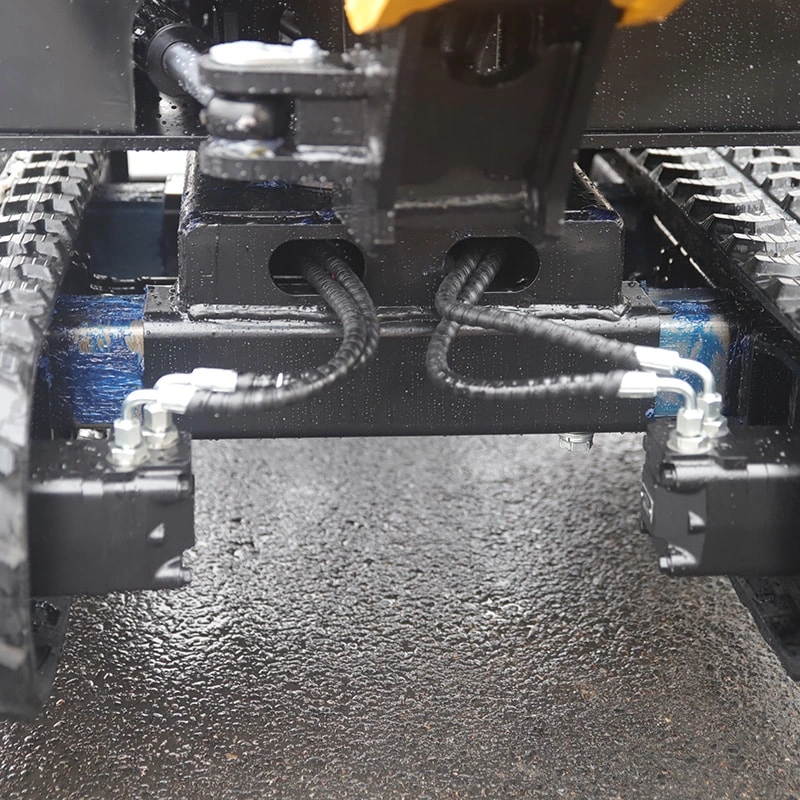
Hose Routing and Protection
Hydraulic hoses are vulnerable components, especially in confined environments.
Proper design includes:Protective sleeves;Secure clamps;Internal boom routing where possible;Quick-connect couplers.
Damage prevention reduces downtime and maintenance costs.
Maintenance Best Practices
Auxiliary hydraulic systems require routine inspection:Check hose abrasion;Inspect coupler seals;Monitor oil contamination;Verify pressure stability.
Clean hydraulic oil is essential because attachments often contain precision internal components.
Operator Training Considerations
Operators must understand hydraulic response characteristics.
Key training points:Gradual activation;Avoiding sudden directional changes;Matching flow to application;Monitoring temperature during extended operation.
Skillful hydraulic management improves attachment longevity.
Economic Impact
Machines equipped with optimized auxiliary hydraulics achieve higher utilization rates because they can switch between tasks quickly.
Benefits include:Fewer machines required onsite;Lower transportation costs;Faster project completion.
Expanded service offerings for contractors
Conclusion
Auxiliary hydraulic systems are the foundation of modern mini excavator versatility. Proper configuration, maintenance, and operator understanding ensure attachments perform efficiently while protecting machine components.
Contractors who optimize auxiliary hydraulics unlock the full economic potential of compact excavation equipment.