



Choosing the Best Bucket Type for Different Mini Excavator Applications
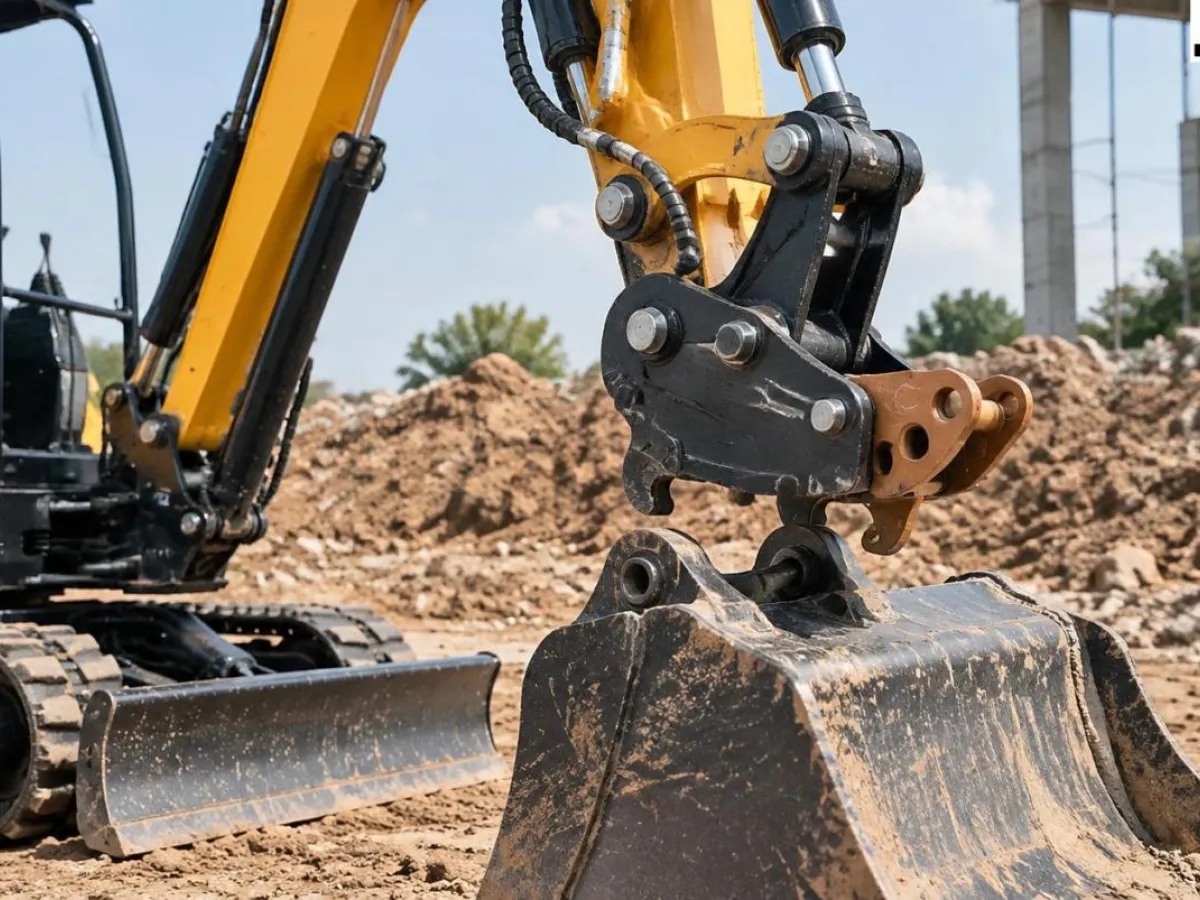
Buckets remain the most frequently used excavator attachment, yet many operators underestimate how bucket selection influences efficiency, fuel usage, and wear rates. Using the correct bucket type for each task dramatically improves productivity while reducing machine strain.
Professional contractors treat bucket selection as a technical decision rather than a default choice.
Standard Digging Buckets
The standard digging bucket is designed for general excavation.
Characteristics include:Moderate tooth spacing;Balanced capacity;Reinforced cutting edge.
Best suited for:Soil excavation;Trenching;Site preparation;General construction work.
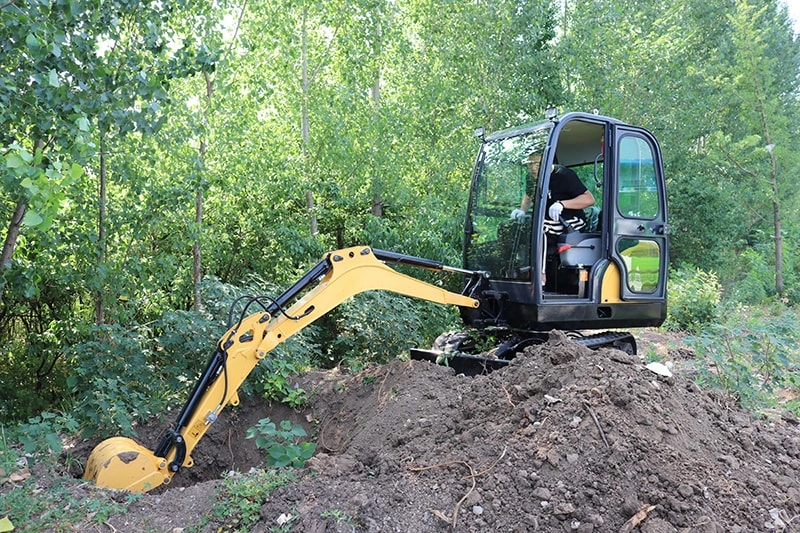
This bucket provides versatility but may not be optimal for specialized conditions.
Trenching Buckets
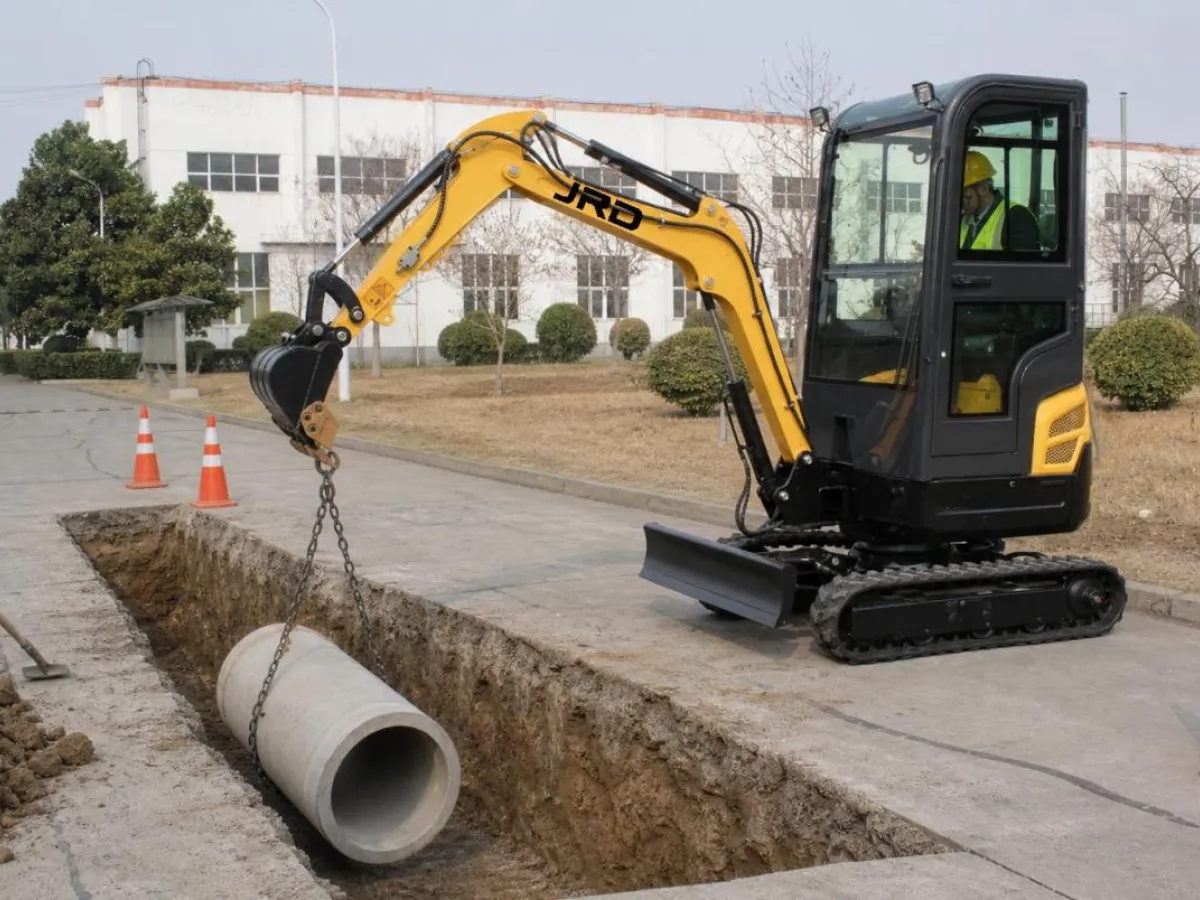
Trenching buckets feature narrower widths designed for precision digging.
Advantages:Reduced material removal;Cleaner trench walls;Lower backfill requirements.
Common applications:Pipeline installation;Cable laying;Irrigation systems.
Narrow trenches reduce material handling costs significantly.
Grading Buckets
Grading buckets are wider and often toothless.
Designed for:Surface leveling;Landscaping;Slope shaping;Final finishing work.
Their smooth edge produces cleaner surfaces and minimizes rework.
Heavy-Duty Buckets
Heavy-duty buckets include reinforced steel plates and wear-resistant edges.
Used in:Rocky environments;Demolition debris;Abrasive materials.
Although heavier, they extend service life under harsh conditions.
Bucket Capacity and Machine Stability
Oversized buckets may appear productive but can reduce efficiency.
Problems include:Machine instability;Increased fuel consumption;Slower hydraulic response.
Correct bucket capacity maintains balance between load volume and lifting capability.
Tooth Selection Importance
Bucket teeth influence penetration performance.
Common tooth types:Standard teeth for soil;Rock teeth for hard materials;Tiger teeth for penetration.
Matching teeth to material reduces digging resistance.
Material Density Considerations
Different materials have varying densities:
Material Density Impact
Loose soil Low resistance
Clay Medium resistance
Rock High resistance
Bucket choice should reflect working conditions rather than machine size alone.
Maintenance and Wear Management
Routine inspection prevents productivity loss.
Check for:Tooth wear;Cutting edge damage;Side plate abrasion;Pin looseness.
Replacing wear components early protects the bucket structure.
Cost Efficiency Perspective
Using specialized buckets may seem expensive initially, but they reduce operating hours per project.
Faster task completion results in:Lower fuel costs;Reduced operator time;Less machine wear.
Conclusion
Bucket selection plays a central role in mini excavator performance. Matching bucket type, size, and tooth configuration to specific applications improves productivity while protecting equipment investment.
Professionals who optimize bucket usage consistently achieve higher operational efficiency.