



The Role of Compact Excavators in Urban Construction Projects
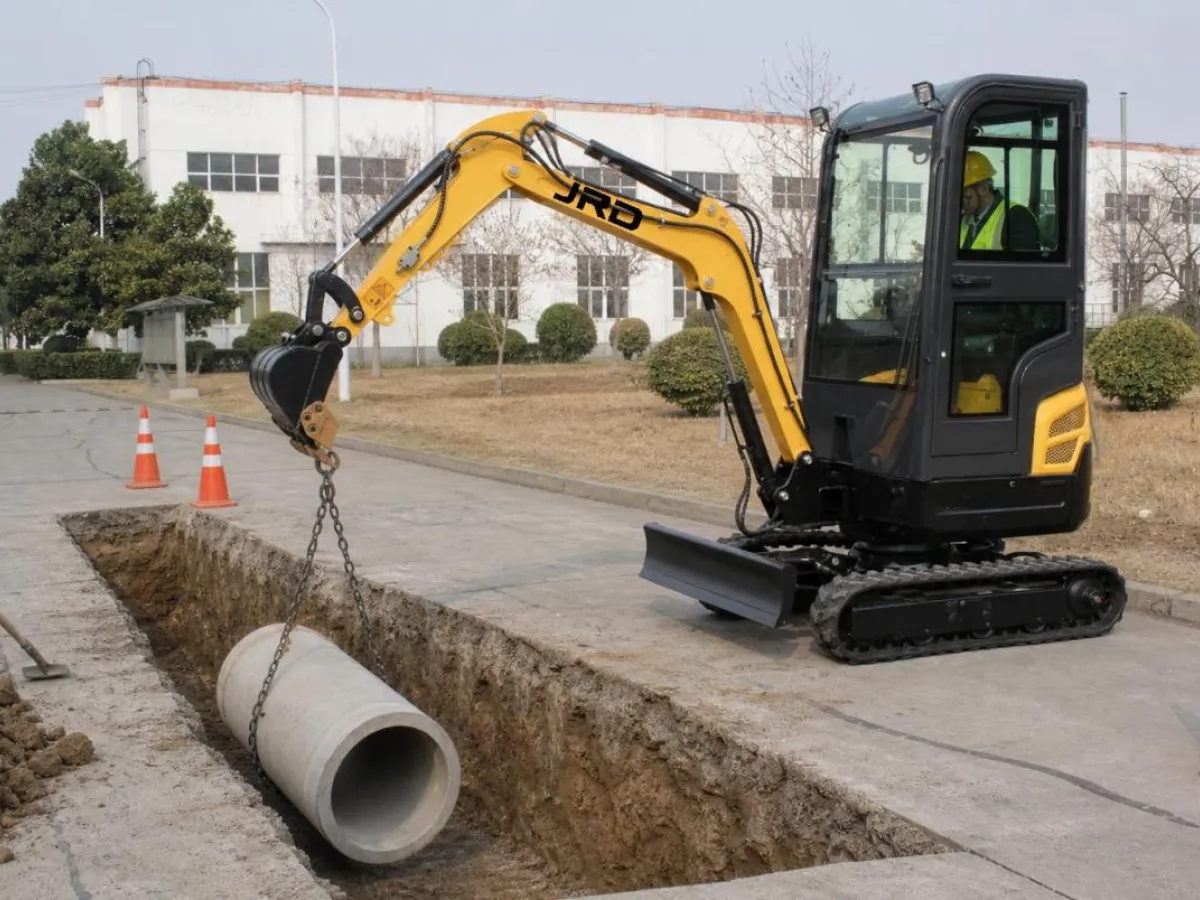
Urban construction environments present unique challenges: limited space, noise restrictions, safety requirements, and logistical complexity. Compact excavators have become essential machines in modern cities because they combine power with maneuverability.
Their growing adoption reflects broader changes in construction methods worldwide.
Space Constraints in Urban Worksites
City projects often occur in narrow streets, residential zones, or existing infrastructure corridors.
Compact excavators excel because they offer:Zero or reduced tail swing;Compact footprint;Easy transportation;Flexible positioning.
These features allow work in areas inaccessible to larger equipment.
Reduced Ground Impact
Urban environments require minimal surface damage.
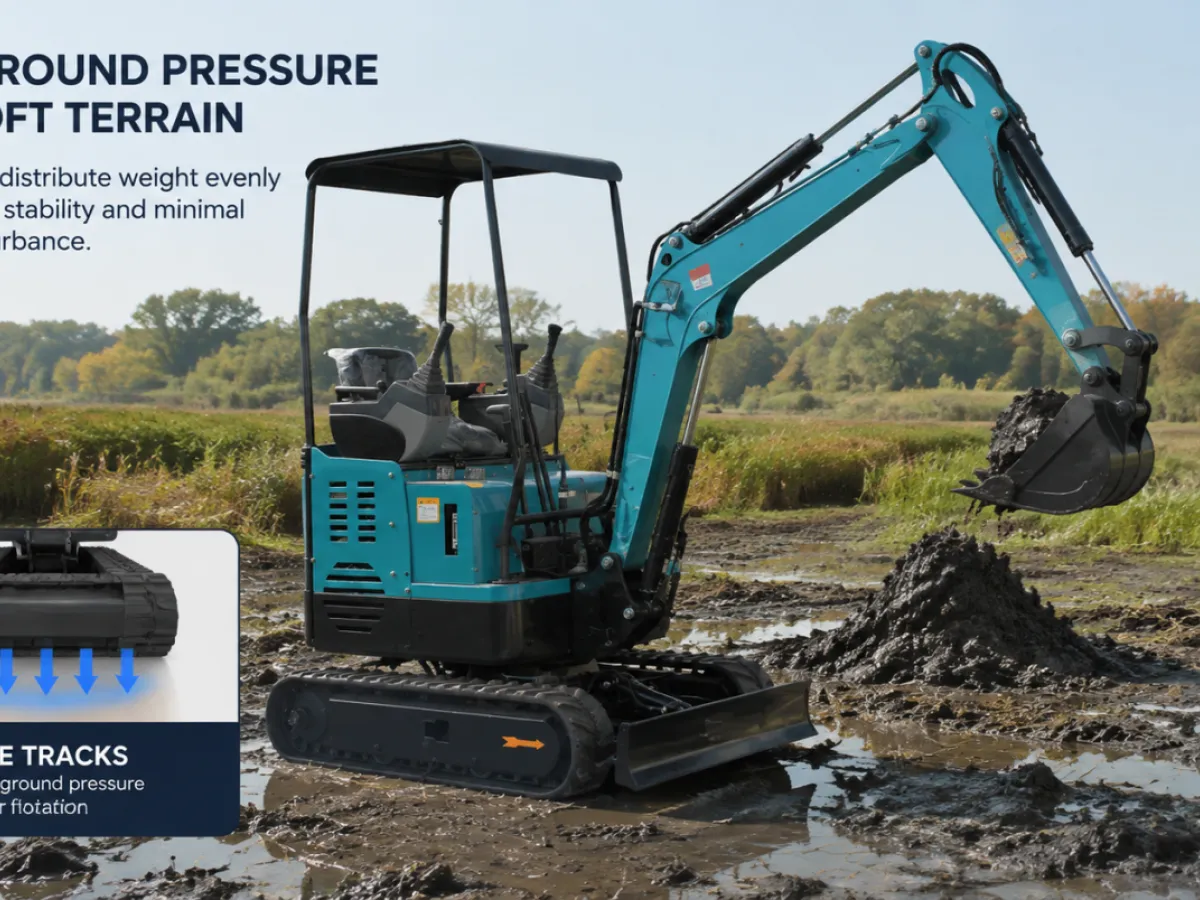
Mini excavators apply lower ground pressure compared to heavier machines, making them suitable for:Sidewalk construction;Utility maintenance;Landscaping renovation;Indoor demolition.
Reduced ground disturbance lowers restoration costs.
Noise and Emission Considerations
Municipal regulations increasingly limit noise and emissions.
Compact excavators support compliance through:Efficient engines;Lower operating noise;Reduced fuel consumption;Compatibility with future electric models.
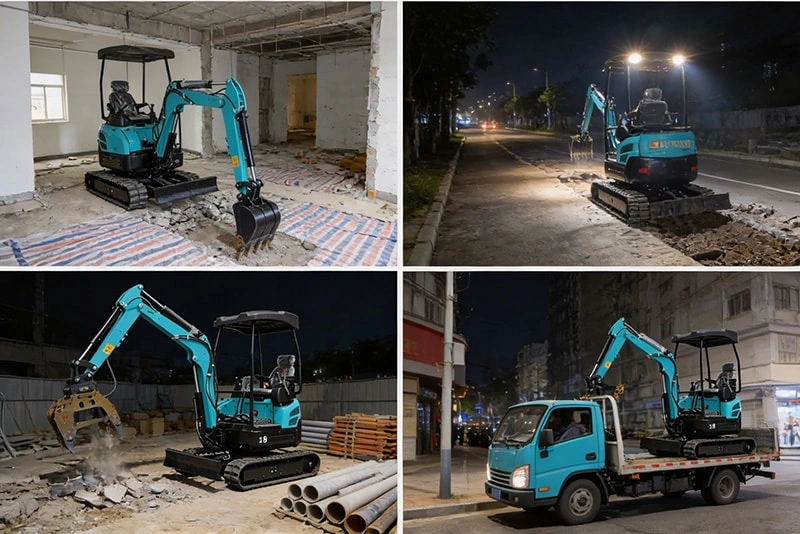
Quiet operation enables work during restricted hours.
Multi-Function Capability
Urban contractors must perform multiple tasks quickly.
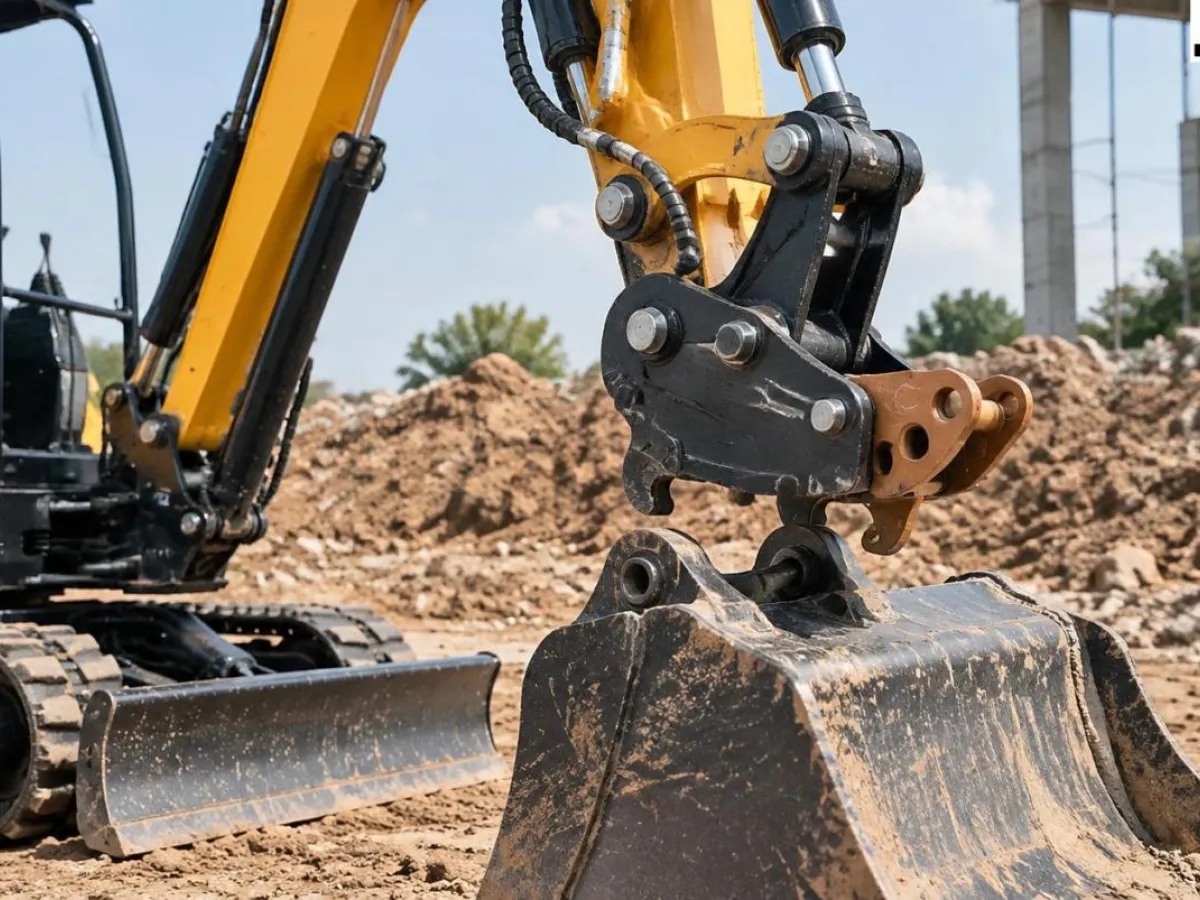
With attachments, compact excavators handle:Excavation;Material handling;Demolition;Vegetation maintenance;Surface finishing.
This flexibility reduces the number of machines required onsite.
Safety Advantages
Smaller machines improve jobsite safety.
Benefits include:Better operator visibility;Easier pedestrian awareness;Controlled movement;Reduced collision risk.
Urban safety standards increasingly favor compact equipment solutions.
Transportation Efficiency
Compact excavators are easier to transport between locations.
Advantages:Towable by light trucks;Faster mobilization;Lower logistics cost;Urban contractors benefit from rapid deployment capabilities.
Labor Efficiency
One skilled operator can complete multiple job phases using attachments.
This reduces:Crew size;Equipment scheduling complexity;Project delays.
Labor efficiency becomes a major competitive advantage.
Economic Value for Contractors
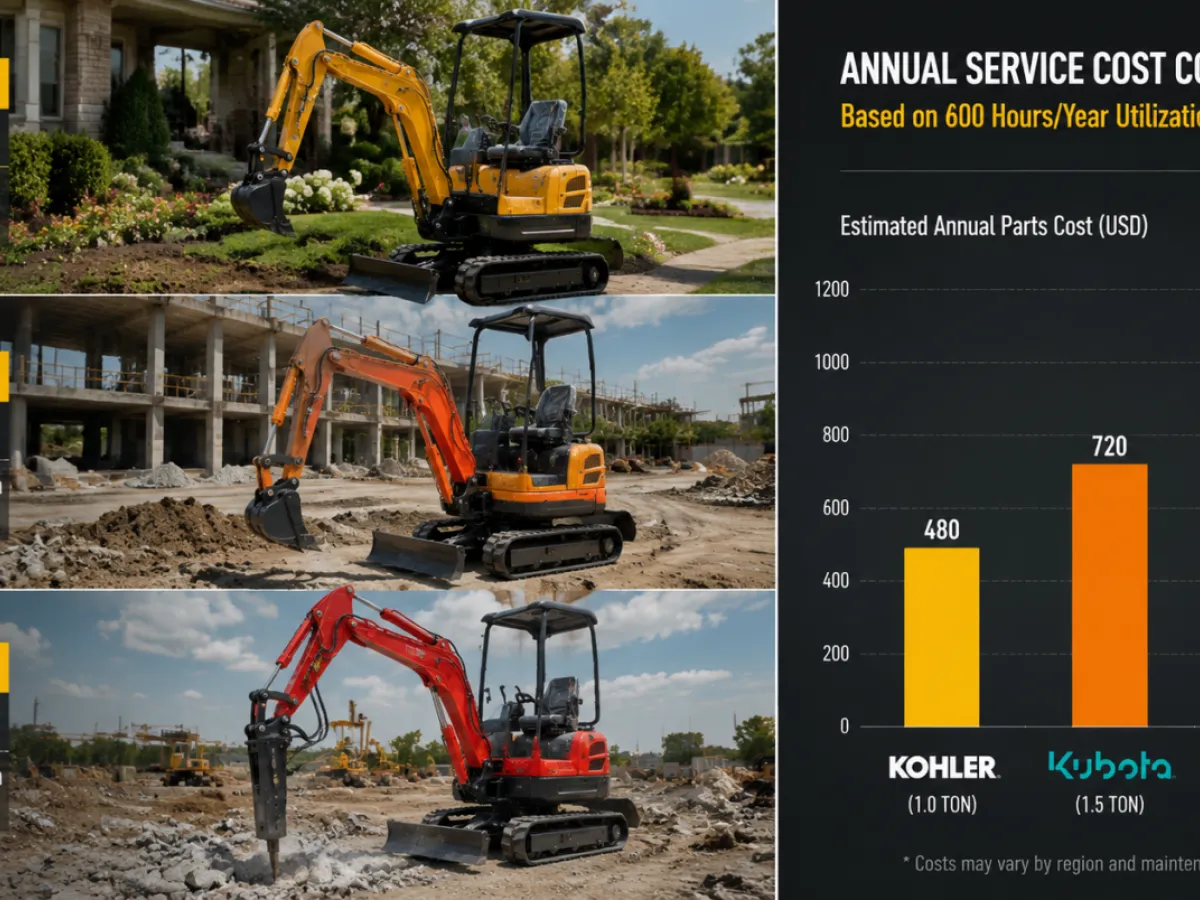
Compact excavators offer high utilization across diverse urban projects, improving equipment ROI.
Key factors:Year-round usability;Wide application range;Lower ownership cost.
Future Trends
Urban construction increasingly emphasizes sustainability and adaptability. Compact excavators align with these trends through:Attachment versatility;Compact design evolution;Electrification compatibility.
Demand is expected to continue growing globally.
Conclusion
Compact excavators play a central role in modern urban construction by balancing power, flexibility, and efficiency. Their ability to operate safely and effectively in confined environments makes them indispensable for contractors working in cities.