



Compaction in Tight Spaces — Why the Excavator-Mounted Plate Changes the Job
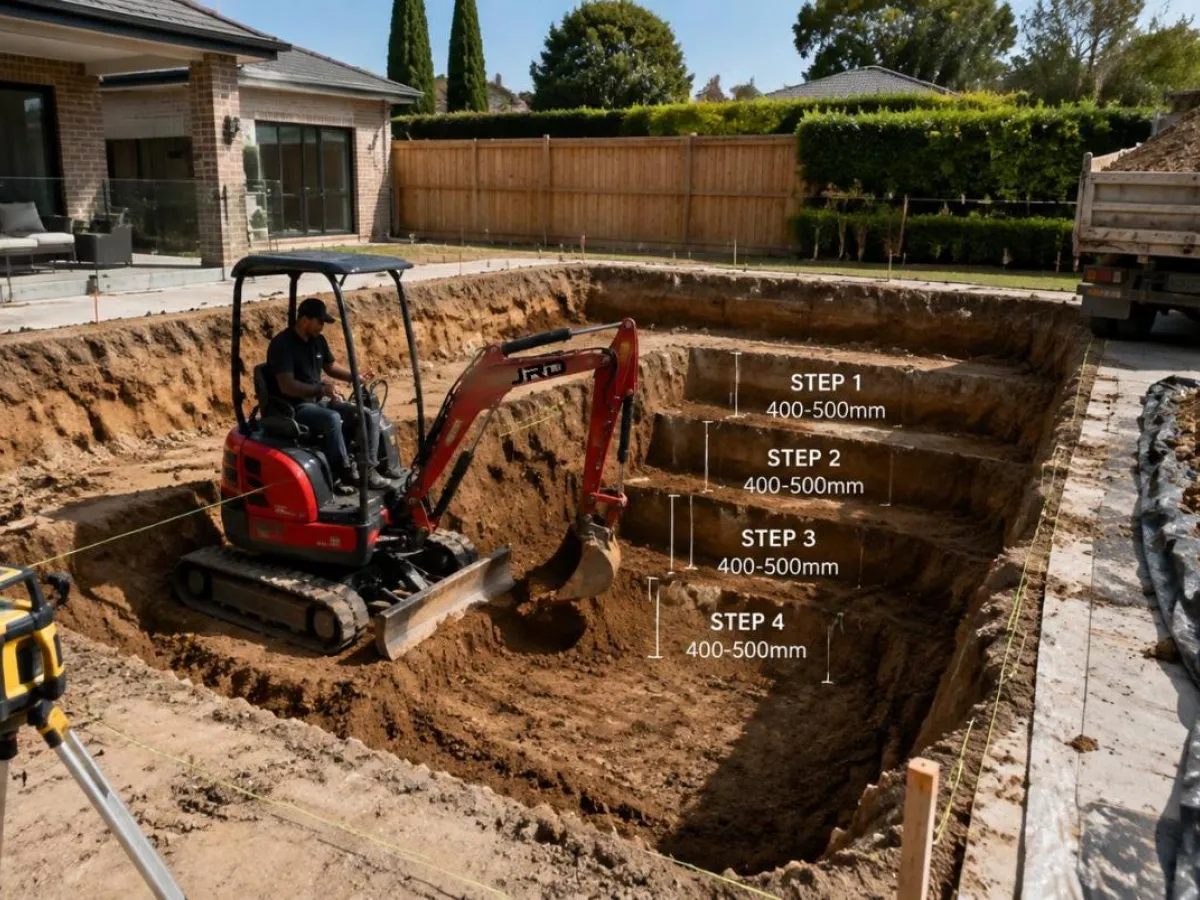
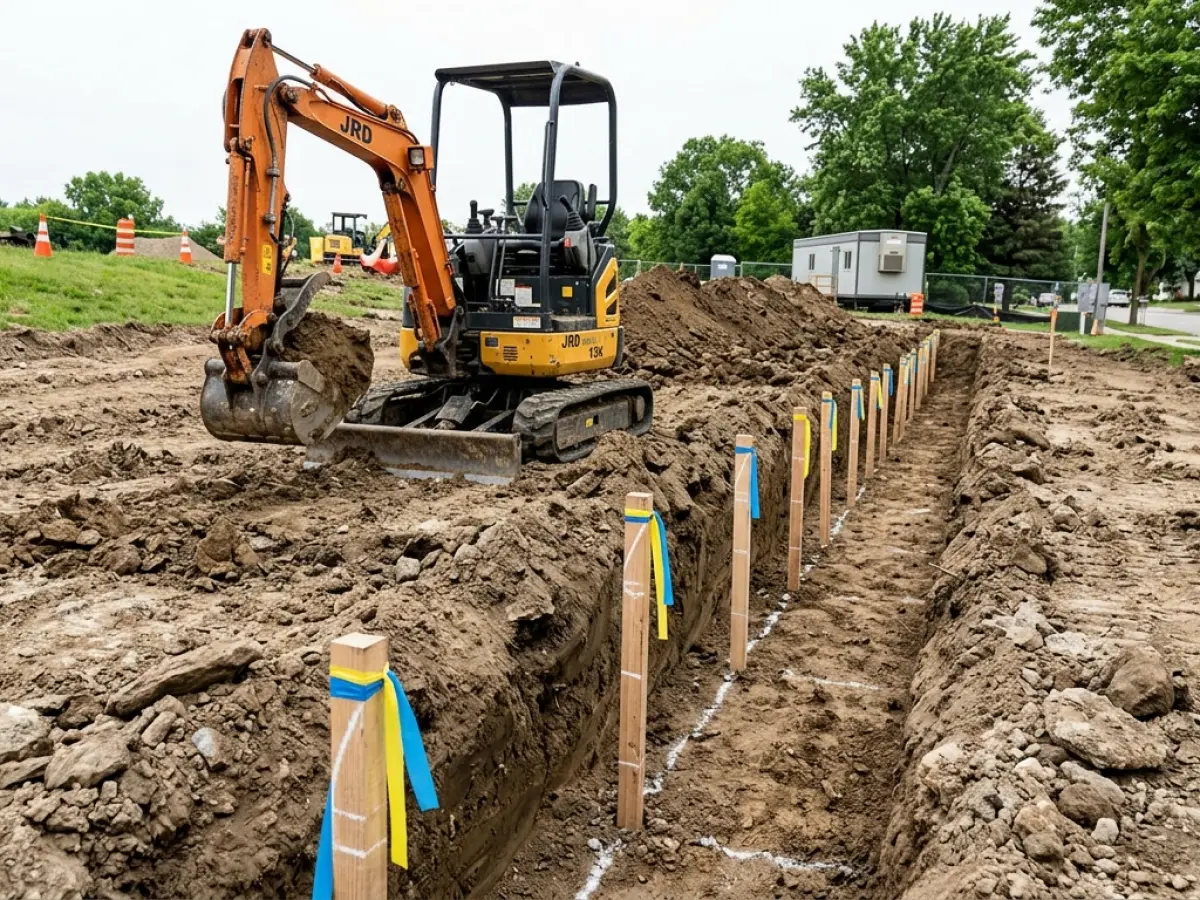
Every trench backfill, every pipe bed, every footing fill has the same problem: getting adequate compaction in places a walk-behind plate compactor cannot reach. The sides of a 600 mm trench. Directly behind a retaining wall block. Under a pipe in a bedding zone. In these zones, the choice has traditionally been a jumping jack (rammer) or hand tamping — both slow, labour-intensive, and fatiguing over a full shift.
A hydraulic compaction plate attachment mounts on the mini excavator arm and delivers vibration directly through the boom, reaching into confined areas without the operator descending into the trench. The machine controls the pressure and position from the cab; the plate does the compaction work where it matters.
This article covers how to specify the right plate for the machine, the hydraulic requirements, technique for avoiding over-compaction, and the job situations where the attachment pays for itself.
How an Excavator-Mounted Compaction Plate Works
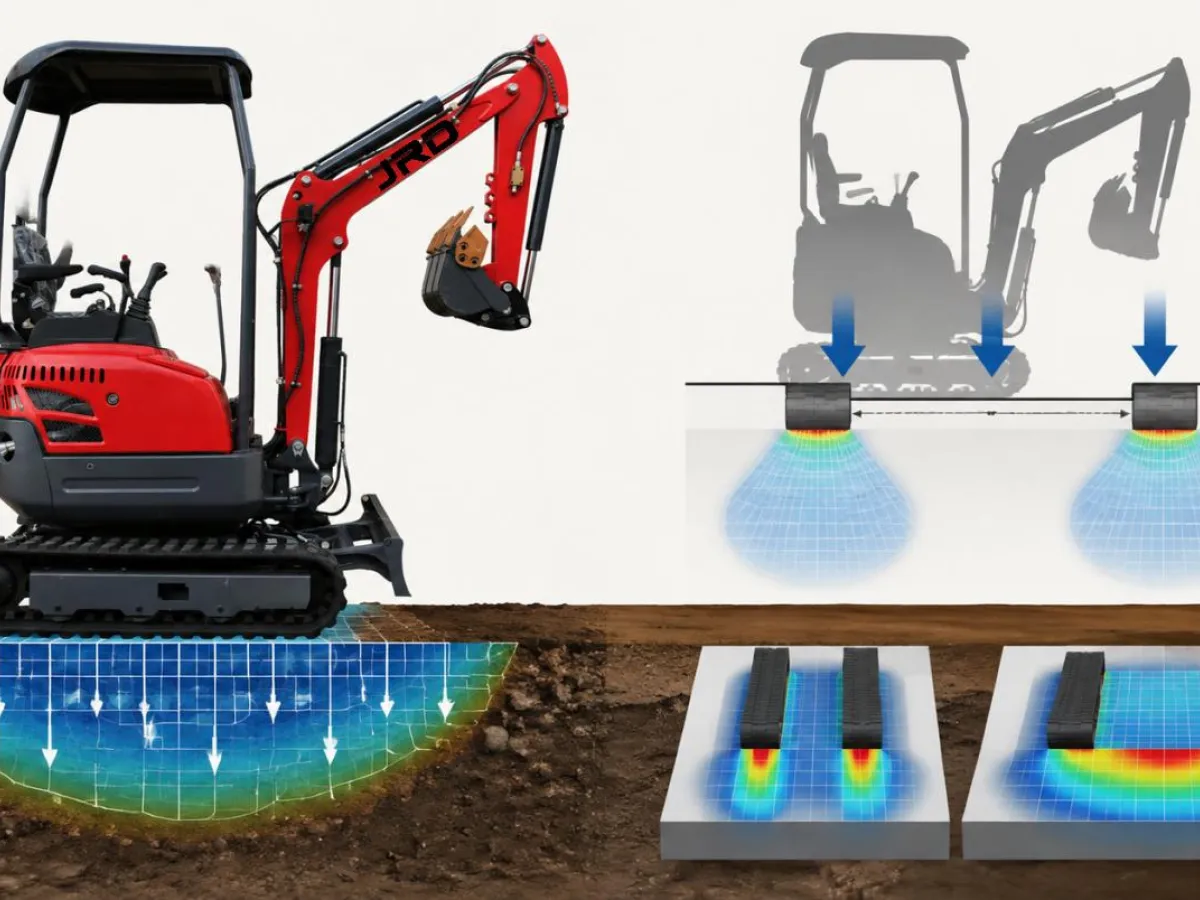
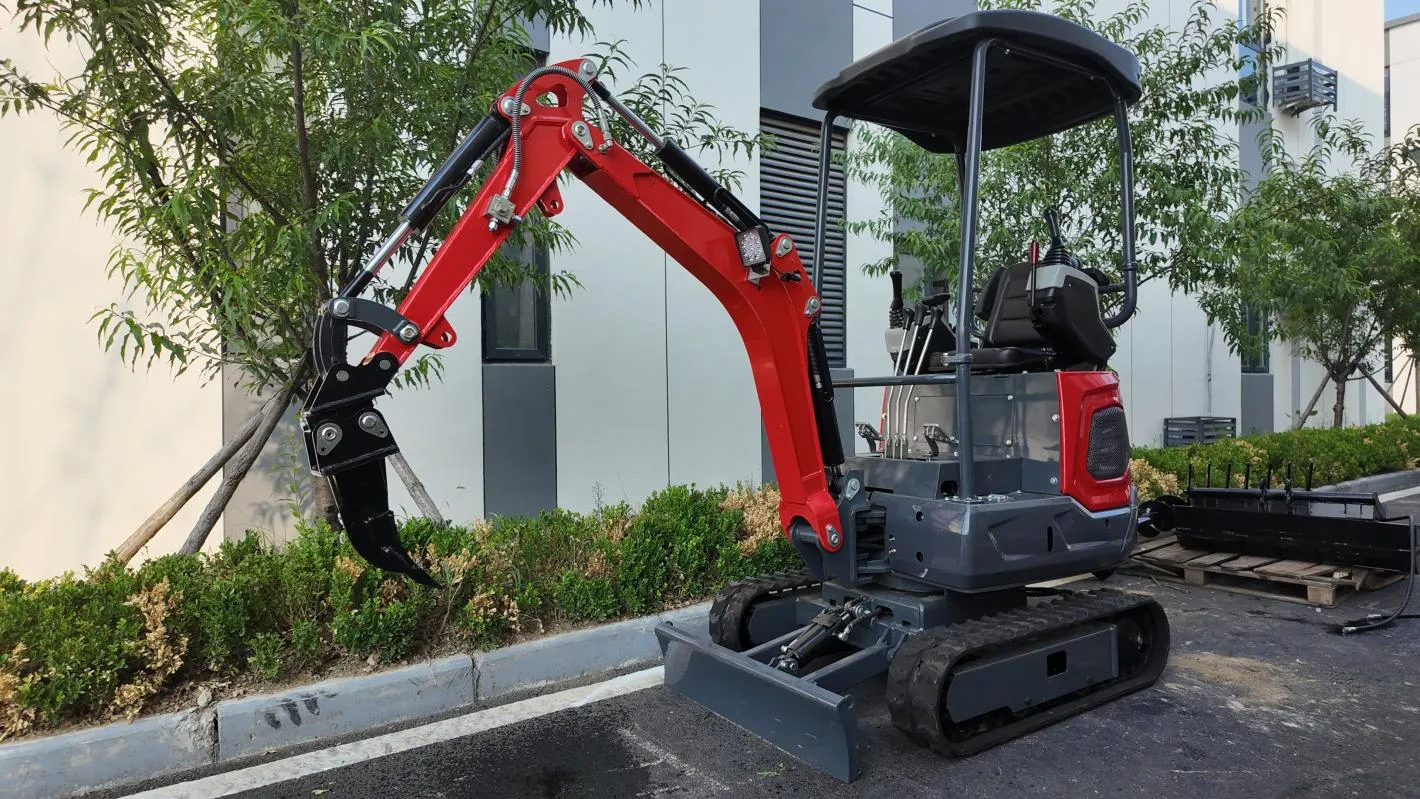
An excavator compaction plate (also called a hydraulic vibratory plate) connects to the machine's arm via a quick coupler or direct pin mount. The hydraulic motor drives an eccentric weight inside the plate housing, generating vibration at a fixed or variable frequency. The operator lowers the plate to the surface and applies downward crowd pressure while the vibration consolidates the material below.
The compaction depth depends on plate area, vibration frequency (typically 30–50 Hz), and the applied force. On granular material — crushed rock, sand, gravel — a single excavator-plate pass achieves 200–300 mm of consolidation. On cohesive clay, multiple passes at shallower lifts are required.
Key advantage over walk-behind plates: the excavator arm can tilt and angle the plate to compact against a wall face, inside a corner, or on a sloped surface. Walk-behind plates can only work on accessible, level ground.
Hydraulic Flow and Pressure Requirements
The compaction plate is flow-hungry relative to other auxiliary attachments. Most vibrating plate motors operate at:
Flow rate: 25–60 L/min depending on plate size and motor displacement
Operating pressure: 150–250 bar
Return line: requires dedicated case-drain return on some high-flow models
For the 06 series and 10 series machines, auxiliary flow output is typically in the 15–25 L/min range, which supports smaller compaction plates but limits plate area — and therefore pass width. These machines are effective for spot compaction and trench side work but should not be expected to run full-size plates designed for 1.5-tonne class machines.
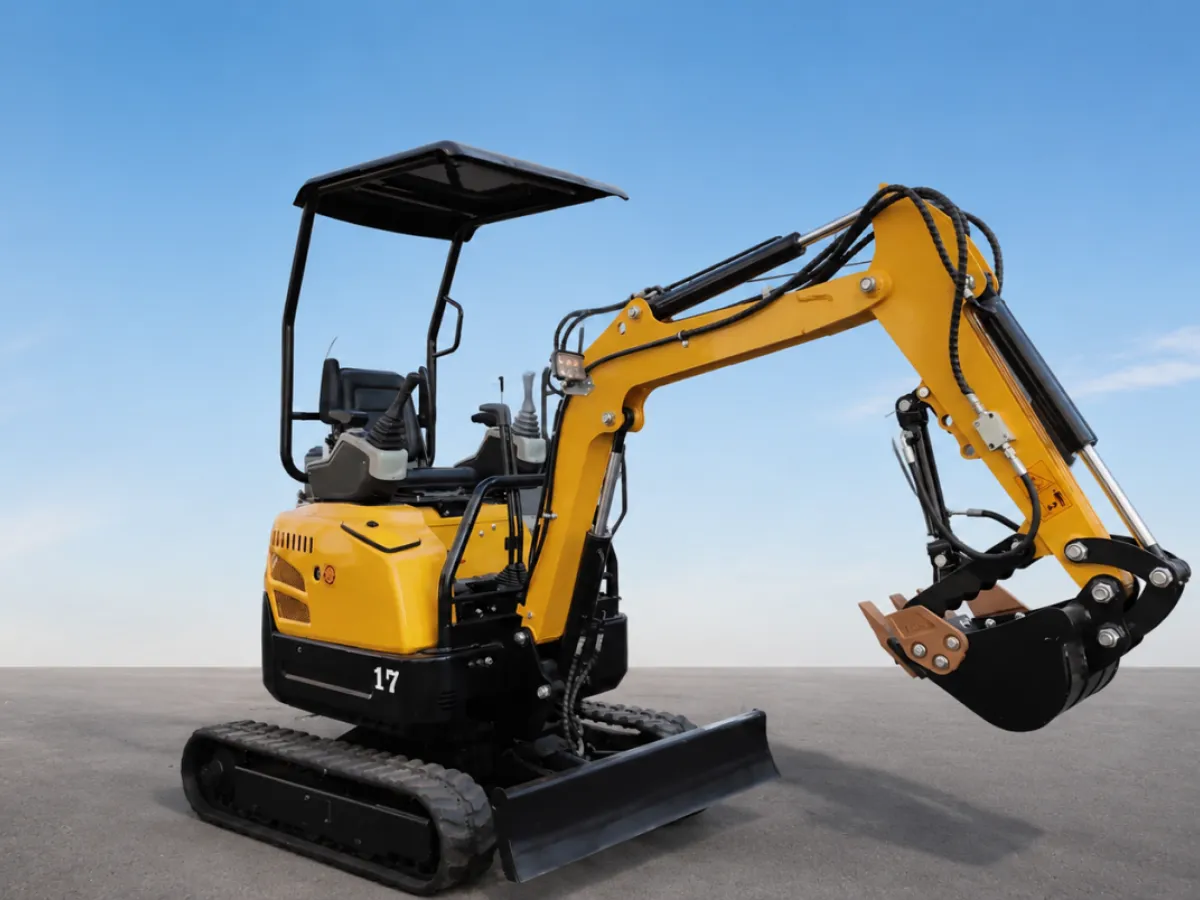
The 17 series with its variable piston pump and Taifeng multi-way valve provides more consistent auxiliary flow at varying engine speeds — an advantage when compaction work runs alongside other tasks in a dig-and-compact cycle. The 18 series and 22 series machines are well-matched to mid-range plates in the 40–60 L/min requirement range.
Before specifying a plate, confirm the machine's auxiliary circuit flow at operating RPM from the hydraulic spec sheet — not the maximum system flow. The relevant figure is sustained flow at the auxiliary port under a 200-bar load.
Plate Size Selection
Plate sizing is driven by three variables: machine weight, confined space clearance, and required pass width.
Small plates (200–350 mm wide): suit sub-1,000 kg machines; low flow requirement; fit inside 600 mm trenches; effective for utility trench backfill and service pipe bedding
Medium plates (350–500 mm wide): suit 1,000–2,000 kg machines; moderate flow at 30–45 L/min; good for road base compaction, retaining wall backfill, and footing sub-base consolidation
Large plates (500–700 mm wide): suit 2,000 kg+ machines; high flow requirement; used on wider trench work and subgrade preparation ahead of pavement
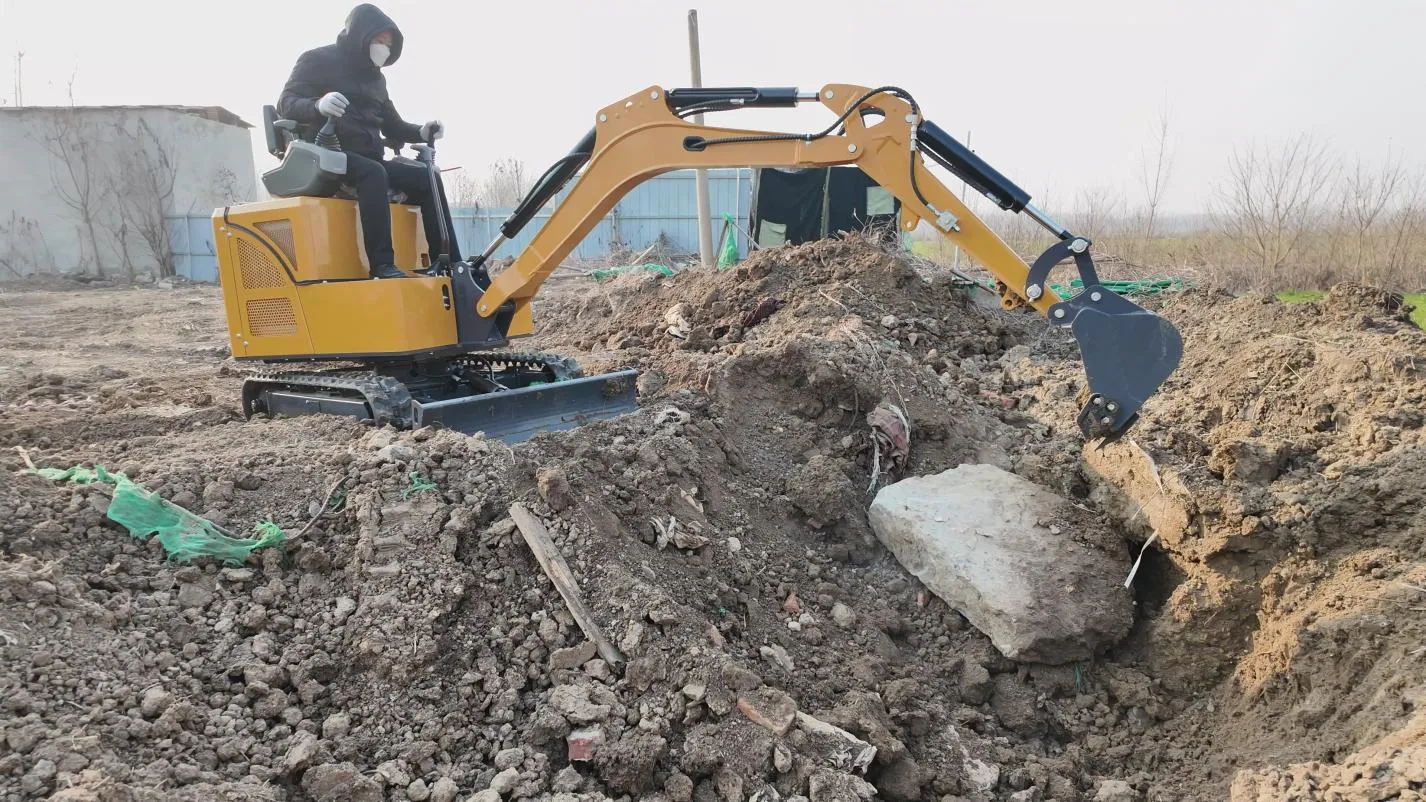
Compaction Technique — Getting the Result Without Overworking
Lift thickness: the single most common mistake is backfilling a trench in one hit and running the compactor over 600 mm of loose material. Compaction plates consolidate from the bottom of the vibration zone up — material at the top looks compacted while voids persist below. Standard practice is 150–200 mm loose lifts for granular material, 100–150 mm for cohesive clay.
Applied downward pressure: the machine's crowd force supplements the plate's own weight. Too little crowd pressure and the plate bounces. Too much and the eccentric mass is damped by the soil and frequency drops. The right feel is a steady vibration visible at the boom tip with no bouncing — the operator learns this quickly.
Travel speed: move the plate at roughly 0.3–0.5 m per second across the surface. Faster and passes overlap too little; slower and the plate dwells and can create a localized depression in soft material.
Overlapping passes: overlap each pass by 50–100 mm to avoid compaction lines between adjacent strips.
Avoid over-compaction: running the plate over dry, compacted granular base more than three times without adding material achieves nothing and risks breaking aggregate.
Applications Where the Attachment Justifies Its Cost
Utility trench reinstatement: the most common application. Gas, water, power, and telecom trenches all require compaction records — a hydraulic plate provides even, documented passes.
Retaining wall backfill: compacting the drainage aggregate and structural fill behind a block or boulder wall without the risk of overturning the wall from lateral plate machine force.
Pipe bedding compaction: consolidating the haunch zone around a pipe without disturbing the pipe position — the excavator arm controls placement precisely.
Pavement subgrade preparation: finishing the subgrade surface before road base placement in confined areas — narrow driveways, alley entries, courtyard paving.
Conclusion
The hydraulic compaction plate attachment solves a structural gap in site workflow: getting consistent, verifiable compaction in places walk-behind equipment cannot reach. The attachment earns its cost on any project involving trench backfill, pipe bedding, or confined area subgrade preparation.
Specify the plate to match the machine's auxiliary flow, confirm lift thickness discipline with the crew, and the attachment delivers consistent results from the first shift. The alternative — hand tamping and hoping — generates defect claims long after the job is invoiced.
Looking for a hydraulic compaction plate for your excavator?
Contact JRD Machinery with your machine model and auxiliary flow specification. We can confirm plate sizing and motor displacement to match your circuit. CE-compliant attachments available for export.