



Mini Excavator Quick Coupler Guide — Choosing, Fitting, and Operating Safely
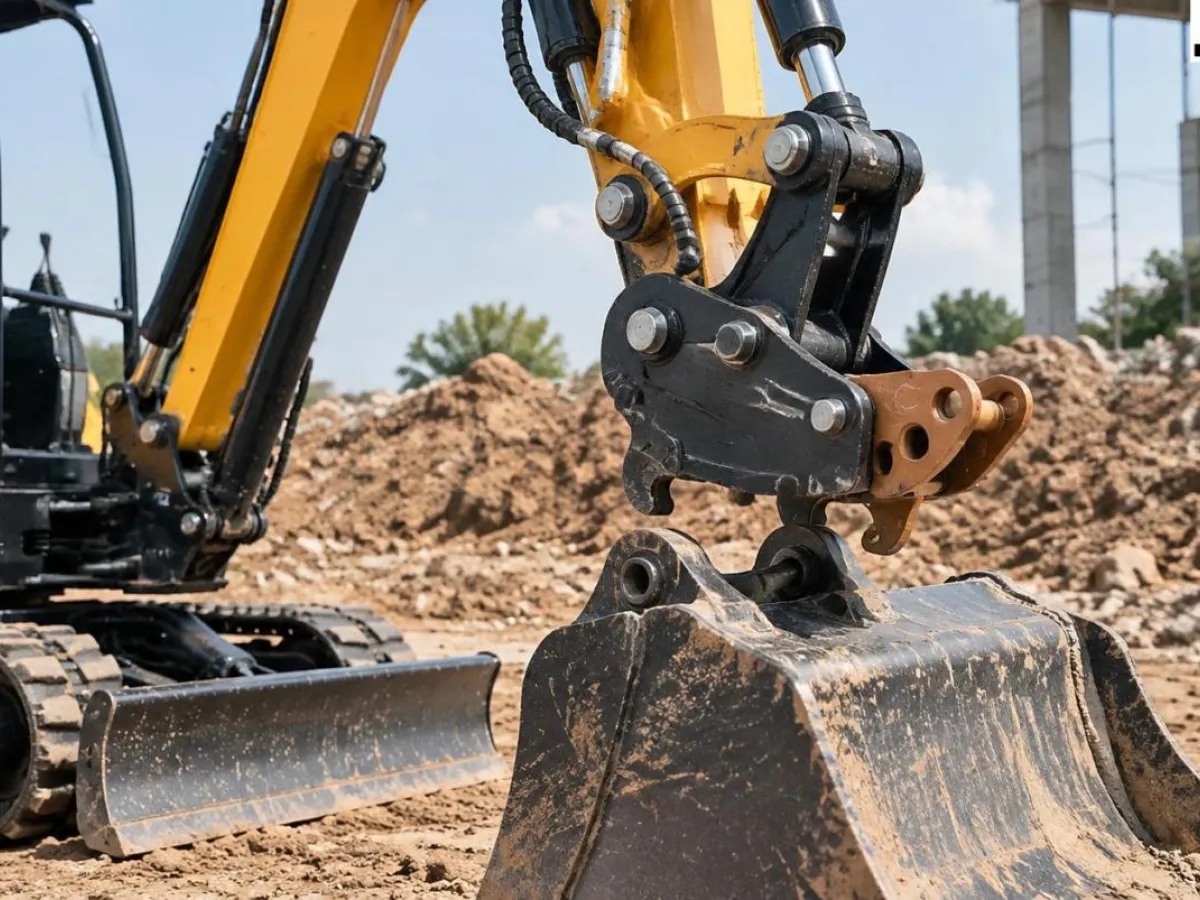
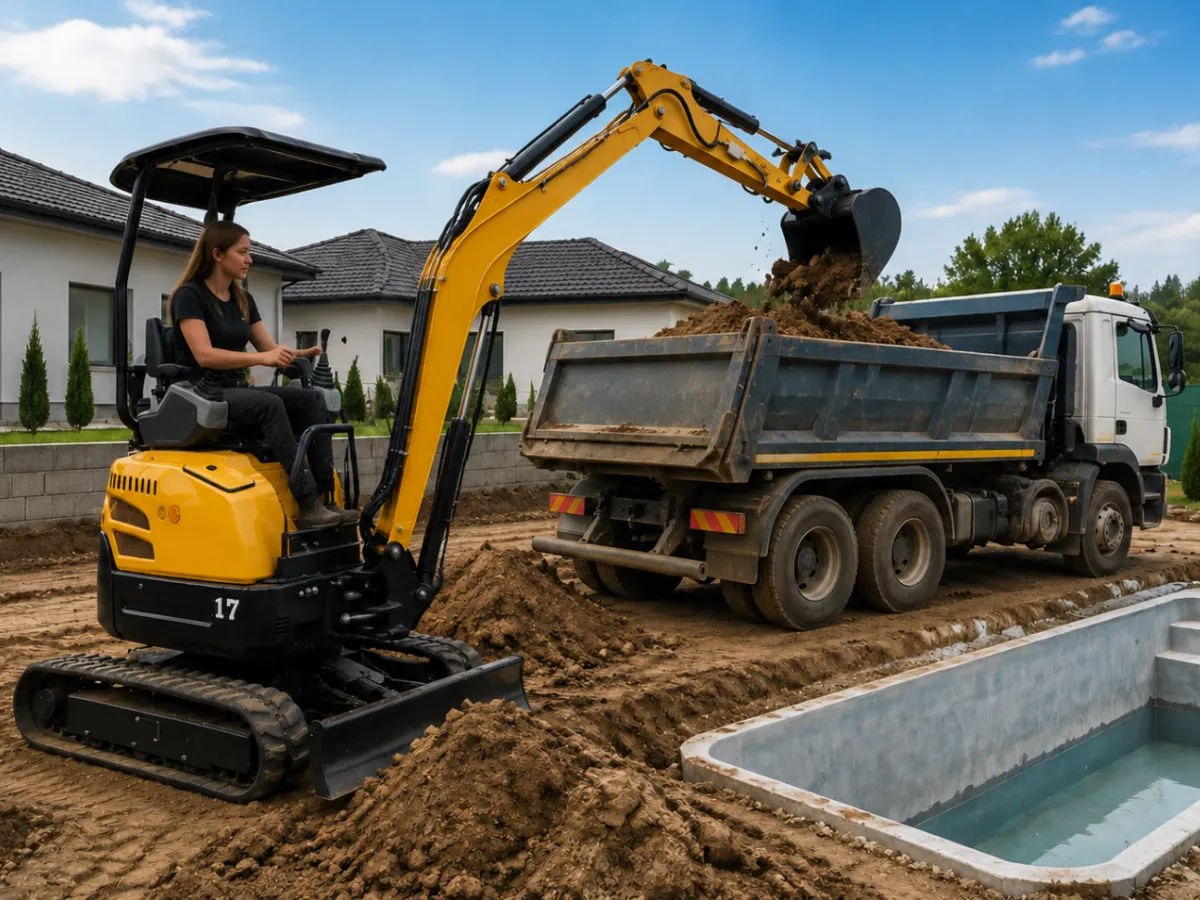
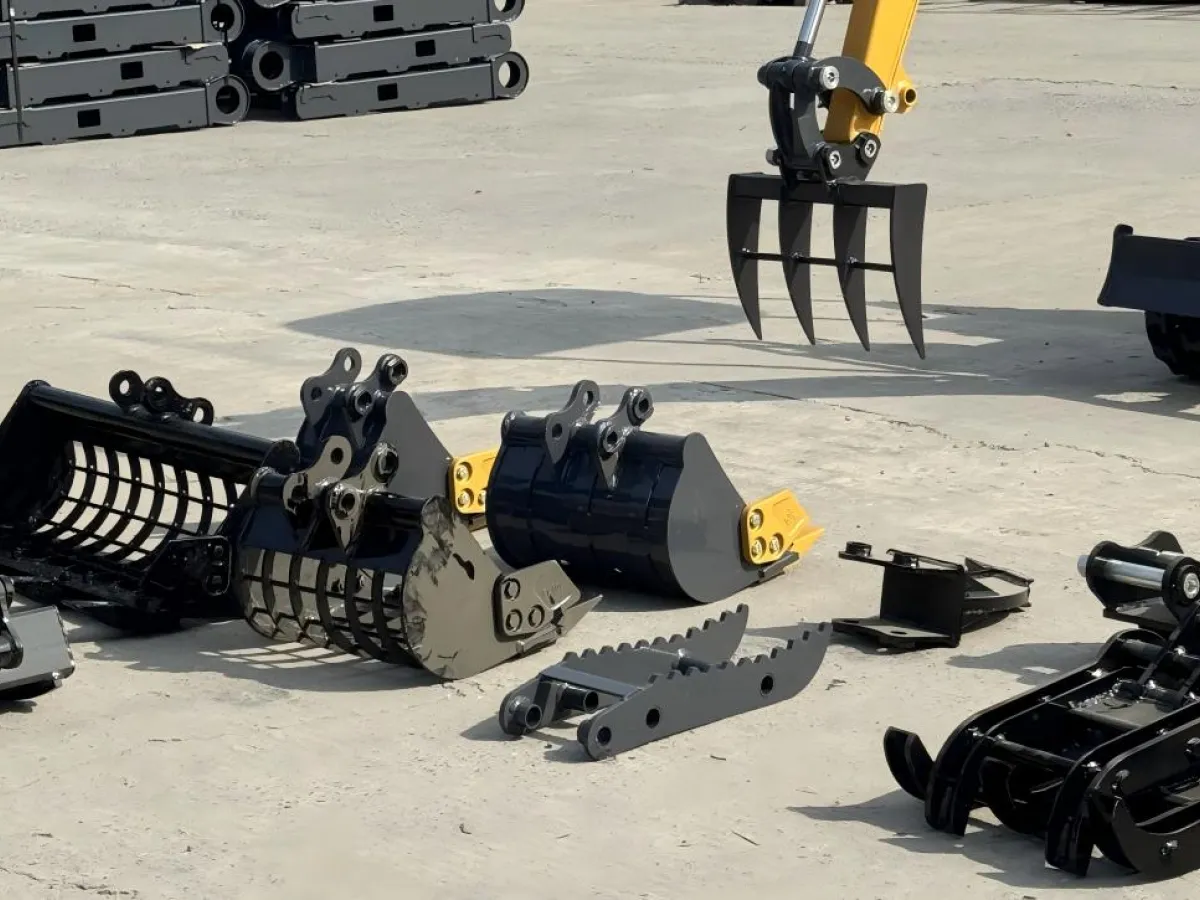
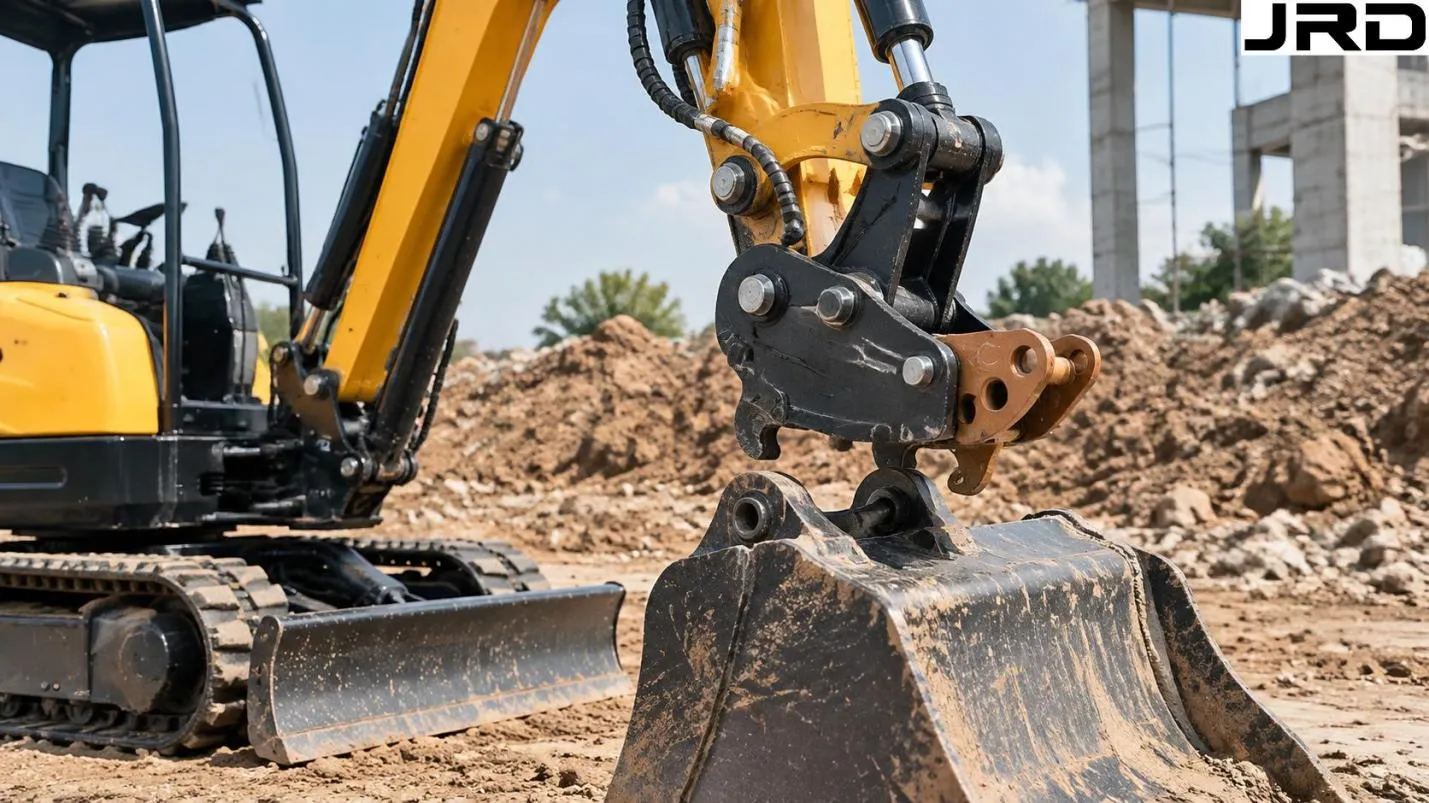
A quick coupler (also called a quick hitch or rapid coupler) is a frame that mounts between the excavator arm and the attachment, allowing the operator to change buckets, thumbs, and other tools without removing pins manually with a hammer and punch. On a machine used across multiple task types — digging, grading, pipe laying, demolition — a quick coupler reduces attachment change time from 20–30 minutes to under 5 minutes and keeps the operator in the cab for most changes.
That productivity benefit comes with requirements: the coupler must match the machine's pin dimensions, the attachment must be rated for the coupler type, and certain safety systems must be present and operational before the machine is put to work. This guide covers all of those requirements.
Mechanical vs Hydraulic Quick Couplers
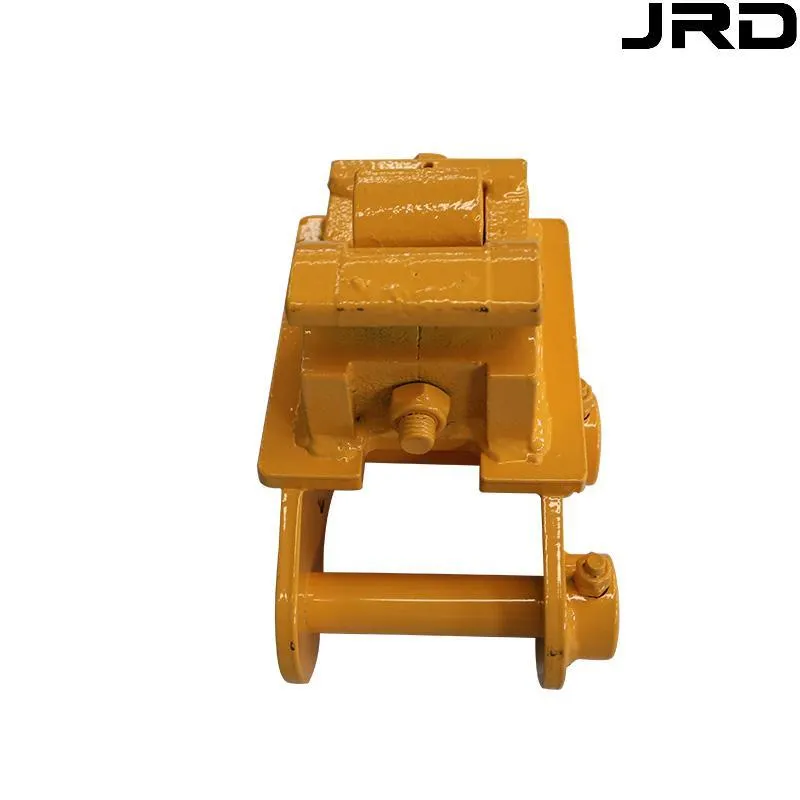
Mechanical quick couplers: the operator exits the cab, releases the attachment safety latch manually, connects or disconnects the new attachment, and re-secures the latch. The latch must be manually confirmed as engaged before resuming operation. Change time: 3–8 minutes depending on latch type. No additional hydraulic circuit required.
Hydraulic quick couplers: the operator operates a control in the cab (typically a dedicated switch or foot pedal) to release and engage the coupler jaws hydraulically. The operator does not exit the cab for the change itself, though a walk-around to visually confirm engagement is required before resuming work. Requires auxiliary hydraulic circuit to operate the coupler mechanism. Change time: 1–3 minutes including visual check.
Pin Size Matching — The Critical Specification
A quick coupler that fits the machine but not the attachments, or vice versa, is unusable. The dimensions that must match are:
Pin diameter: the diameter of the bucket/attachment pin that the coupler jaw engages. Common sizes in the compact excavator range: 30 mm, 35 mm, 40 mm, 45 mm, 50 mm
Pin center-to-center (C-C) distance: the distance between the two pin holes in the attachment. This is the most critical dimension — even a 5 mm mismatch prevents full engagement
Jaw width: the width of the coupler jaws must accommodate the attachment boss width — typically the distance between the two side plates of the bucket
When ordering a quick coupler for an existing machine, measure the machine's stick-end pin diameter and the existing bucket's pin C-C distance. When ordering attachments to work with an existing coupler, provide the coupler's pin diameter and C-C specification to the attachment supplier.
In the compact excavator range, common pin specifications by class:
06 series and 10 series: 30–35 mm pin diameter, 90–110 mm C-C common
12 series and 13 series: 35–40 mm pin diameter, 110–135 mm C-C common
15 series and 17 series: 40–45 mm pin diameter, 135–165 mm C-C common
18 series, 22 series, 25 series: 45–50 mm pin diameter, 160–200 mm C-C common
These are representative ranges — confirm actual dimensions from the machine specification sheet before ordering.
Load Rating — Matching Coupler Capacity to Use
Every quick coupler has a rated load capacity — the maximum bucket digging force it is designed to transmit. This rating must equal or exceed the machine's maximum bucket breakout force. A coupler rated below the machine's breakout force will eventually fail at the jaw engagement point.
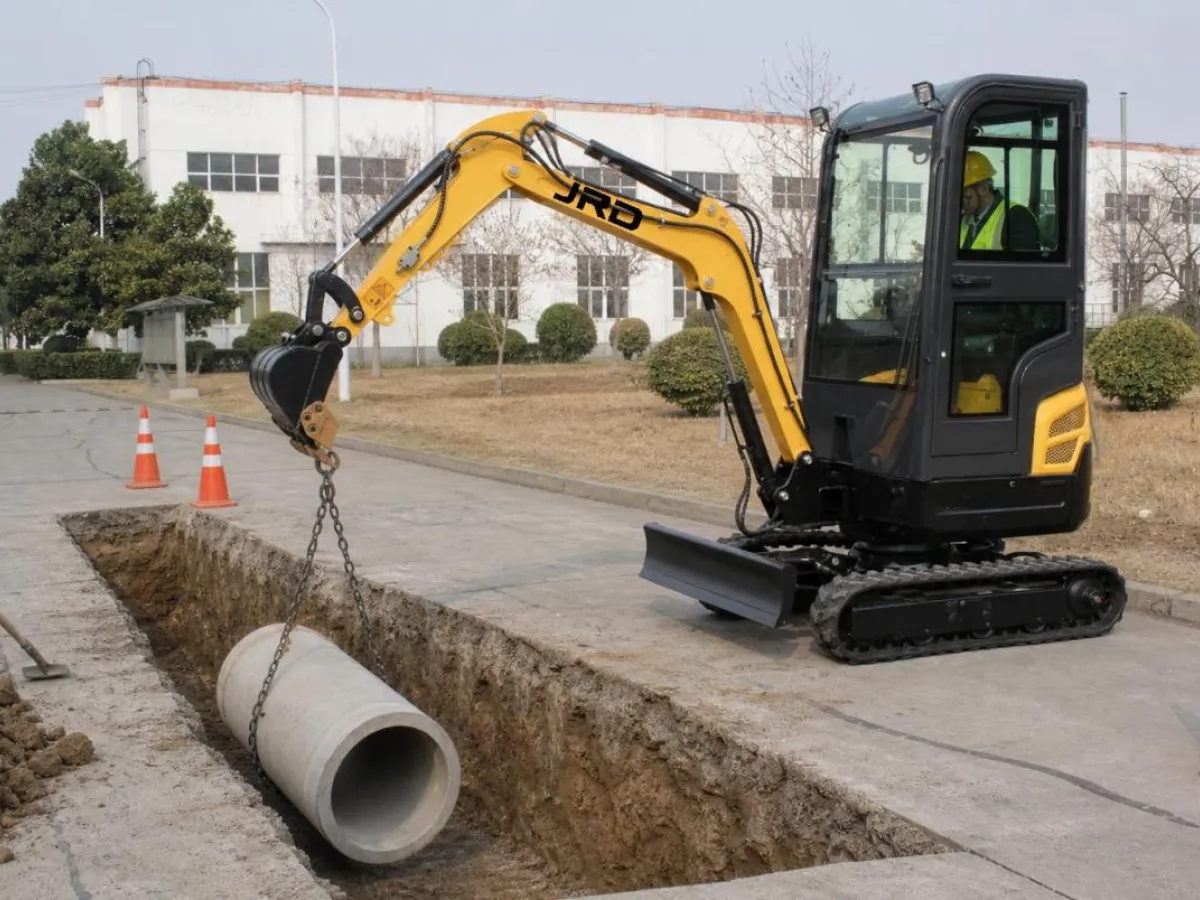
A second rating to check is the tipping load — the maximum lift load the coupler is rated for. This matters when using the machine for pipe lowering or material lifting. Coupler tipping load ratings are typically 2–3 times lower than the coupler's static structural rating, because the coupler must also handle dynamic loads during swinging and travel.
Machine maximum bucket breakout force (from the specification sheet)
Machine maximum lift capacity at the intended operating radius
Weight of the heaviest attachment you plan to use with the coupler
Safety Lockout — The Non-Negotiable Requirement
The most serious incident type associated with quick couplers is unintended attachment release — a bucket or attachment that falls from the coupler while the machine is operating, typically during a swing or lift cycle. This incident type has caused fatalities on construction sites globally.
The causes are almost always one of two failures: the operator did not fully engage the coupler lock, or the lock failed due to wear or damage. The prevention requires:
Dual retention: a properly specified quick coupler has two independent retention mechanisms — a primary jaw and a secondary safety lock. If either fails individually, the attachment remains retained. Single-retention couplers are not acceptable on any site where workers are present within the machine's swing radius.
Pre-use engagement check: after every coupler connection, the operator must exit the cab and visually confirm that both retention mechanisms are fully engaged before resuming operation. No exceptions. On hydraulic couplers, the in-cab indicator lamp (if fitted) is a secondary confirmation — the walk-around check is the primary.
Regular maintenance: inspect the coupler jaw faces for wear at every 50-hour service interval. Worn jaws allow the attachment pins to move in the coupler, which over time widens the jaw gap and reduces retention security. Replace wear components when jaw clearance exceeds the manufacturer's specification.
Exclusion zones: regardless of coupler condition, no personnel should be within the machine's working radius when attachments are being changed or when the coupler has been recently reconnected and not yet confirmed by a walk-around check.
Effect on Machine Performance
A quick coupler adds weight to the attachment end of the arm — typically 20–60 kg depending on class. This affects the machine in two ways:
Reduced net breakout force: the coupler weight increases the load on the arm cylinders at the same dig radius, slightly reducing the available breakout force at the bucket tip. The effect is typically 3–8% on compact excavators — small enough to be irrelevant for most applications.
Increased pin-to-lip distance: the coupler adds 50–100 mm of distance between the arm pin and the bucket cutting edge. This reduces the maximum reach to the bucket tip by the same amount and slightly increases the effective lever arm — the bucket appears to be at higher load for the same digging force. For precision work requiring exact reach measurement, account for this in site planning.
In practical operation on most mini excavator tasks, these effects are minor. The productivity gain from fast attachment changes substantially outweighs the marginal performance reduction in all but the most force-demanding applications.
Coupler Care and Maintenance
Grease at every 50 hours: apply grease to all jaw pivot points and the secondary lock mechanism. A dry coupler binds and resists full engagement
Inspect jaw faces at every 250 hours: measure jaw clearance against the pin diameter of the attachment you use most. When clearance exceeds 3–4 mm, jaw faces should be replaced
Check all bolts: coupler-to-arm mounting bolts should be checked for torque at every 50-hour service. Vibration loosens fasteners in this location faster than on most other machine components
Inspect the safety lock spring: on mechanical couplers, the secondary lock is spring-loaded. If the spring loses tension, the lock does not fully engage. Check that it returns positively to the locked position after each cycle
Conclusion
A quick coupler is the enabling component for running a mini excavator as a multi-attachment machine. The specification decisions — mechanical versus hydraulic, pin size, load rating, and dual-retention safety system — determine whether the coupler performs reliably across its service life.
The safety requirements are not optional. Dual retention, post-connection walk-around checks, and regular jaw wear inspection are the practices that prevent the category of incident that quick couplers are most associated with. These take two minutes per attachment change and matter every time.
Get in touch for expert advice or a quote:
Email:info@jrdmachinery.com
Whatsapp:+8613695366564
Website: www.jrdmachinery.com