



Mini Excavator Hire Fleet — Specifying Machines That Work for Every Operator
Buying a compact excavator for your own operation and buying one for a mini excavator hire fleet are fundamentally different decisions. An owner-operator knows exactly how the machine will be used, knows the soil conditions, and is motivated to maintain it correctly because it is their asset. A hire fleet machine will be operated by a different person every week, on different sites, in different conditions, often by someone who does not know the machine and has no personal stake in its long-term condition. The specification decisions that follow from this reality are different from those an owner-operator would make.
This article examines the specific design and specification characteristics that make compact excavators durable and serviceable in high-utilisation hire contexts, the maintenance economics that determine total cost of ownership over a three to five year fleet cycle, and the fleet size and mix considerations for different hire market segments.
What Makes a Machine Durable in Hire Fleet Use
The characteristics that matter most in a mini excavator hire fleet context are different from those that matter for owner-operator purchase. Peak digging force and maximum hydraulic performance are secondary to robustness of the components that take abuse from varied operators: the joystick control mechanism, the cab interior, the quick coupler system, and the hydraulic hose routing.
Pilot control systems — covered in Article 57 — are more durable in hire fleet use than mechanical joystick systems for a counterintuitive reason: because the joystick requires almost no physical force, operators who are frustrated or in a hurry cannot apply enough force to damage the control mechanism. Mechanical joystick machines that are operated aggressively accumulate wear in the joystick cable sheaths and linkage rods over time — wear that produces a mushy, imprecise control feel that makes the machine feel old before its hours justify it. The pilot joystick on the K-series machines resists this wear pattern because the physical linkage is replaced by a low-pressure hydraulic signal.
Cab interior durability is another hire fleet specification priority that owner-operators rarely think about. Hire machines accumulate mud, gravel, and debris in the cab floor and on the seat from operators who don't clean up after themselves. Rubber floor matting rather than carpet, a seat with a sealed vinyl or synthetic cover rather than fabric, and simple wipe-clean control panel surfaces all reduce the cleaning labour and the interior degradation that makes a machine look old before it mechanically is.
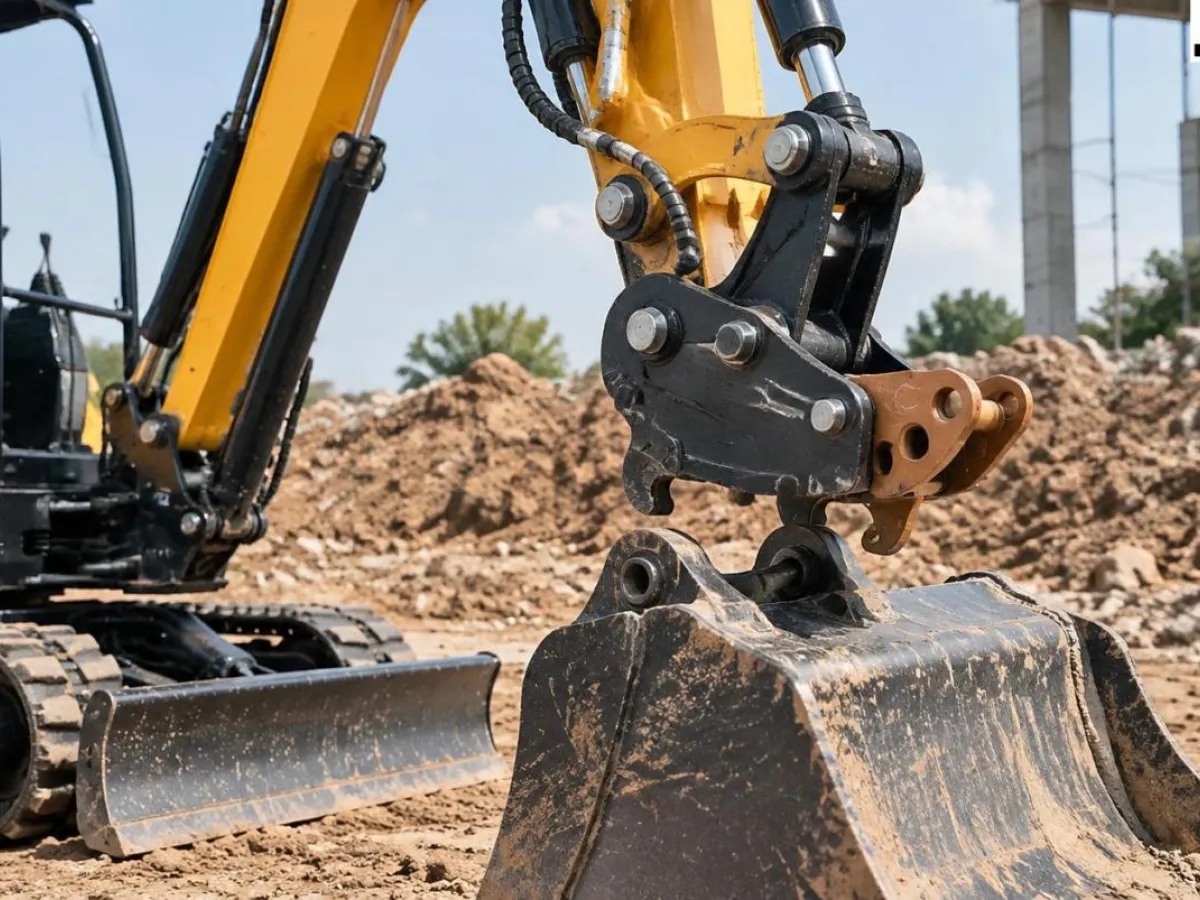
Quick coupler systems in hire fleets see the highest wear of any attachment point because operators change attachments without always following the correct procedure. The coupler jaw bushings and locking pin mechanism should be rated for the bushing replacement interval clearly in the service manual, and replacement bushings should be in the hire yard's parts stock before the machine goes into service. A coupler that develops play in the attachment connection — because worn bushings allow the attachment to wobble — is a safety issue that grounds the machine until repaired.
Maintenance Economics — Fixed Cost vs Reactive Repair
The maintenance economics of a hire fleet compact excavator are determined by two figures: the cost of scheduled maintenance per hour of operation, and the cost of unplanned downtime including lost hire revenue. In a well-managed fleet, the scheduled maintenance cost is predictable and budgeted; unplanned downtime is the variable that determines whether a fleet is profitable or not.
Industry observation across compact excavator hire fleets is that machines maintained at their scheduled intervals — daily checks, 50-hour light service, 250-hour major service — generate unplanned downtime events at roughly one-quarter the frequency of machines maintained reactively. The reactive maintenance pattern — oil changed when it looks dirty, filters changed when the machine loses power, tracks tensioned when they start jumping — consistently produces earlier major component failures than the scheduled pattern. Engine wear from degraded oil, hydraulic pump damage from contaminated fluid, and track system damage from incorrect tension all compound over time in ways that are not visible until a major failure occurs.
For fleet buyers calculating purchase economics: the total cost of ownership over a three-year fleet cycle should include scheduled maintenance consumables (oil, filters, track tension grease, coupler bushings) at the correct intervals, not at the intervals the previous operator actually followed. Pricing the maintenance correctly at acquisition gives an accurate return on investment model and prevents the surprise of discovering that a fleet bought at low initial cost has maintenance costs that erode the margin.
Fleet Mix — Matching Machine Sizes to Hire Market Demand
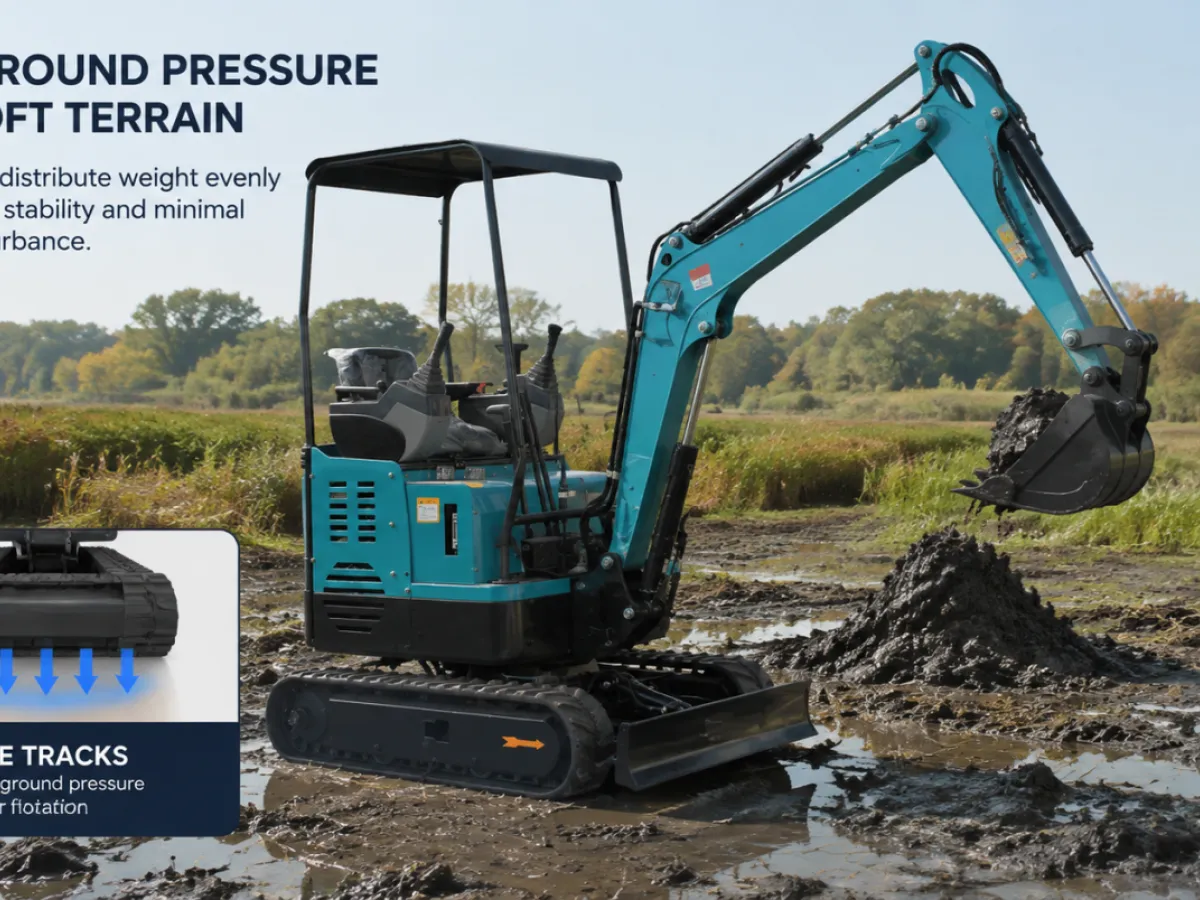
Most mini excavator hire markets have a demand distribution that is heavily weighted toward the lightest machine class that can handle the majority of jobs. In residential and light commercial markets, the 10 series at 1,000 kg and the 12K at 1,000 to 1,050 kg cover the largest share of customer applications: garden access, residential trenching, small foundation work, landscape preparation. A fleet that is predominantly this weight class with a smaller proportion of heavier machines for larger jobs reflects the actual demand profile.
The 06 series at 660 kg occupies a specific niche in hire markets: applications where the 10 series is too wide or too heavy. Indoor demolition, high-value garden access through narrow gates, greenhouse or conservatory work — these customers exist in most markets and are underserved by hire fleets that don't stock the smallest class. The 06 series is also the easiest machine for inexperienced operators to manage, which makes it the preferred hire machine for owner-operated customers who are new to excavator operation.
The 17 series and 22 series represent the upper end of the compact class where hire demand is smaller in volume but higher in hire rate. These machines go to professional contractors doing demolition, heavy utility work, and confined large-site applications where a 5-tonne machine cannot access. A hire fleet with one or two machines in this class can command significantly higher daily hire rates than the lower models and serves a customer who is typically more experienced and causes less machine damage.
Operator Induction and Machine Return Condition
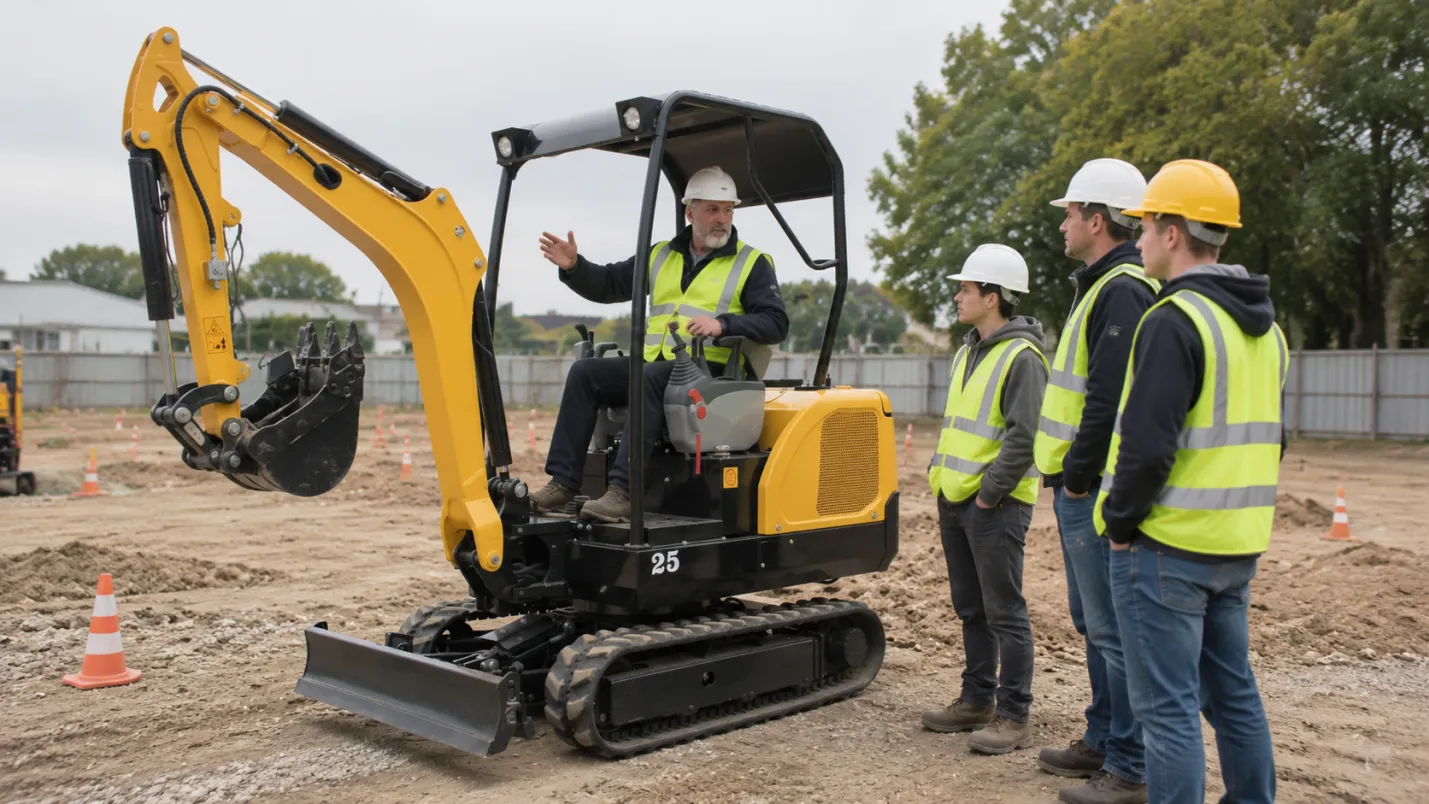
The single most impactful non-mechanical factor in hire fleet machine condition is the quality of the operator induction. A five-minute pre-hire briefing that covers: how to check oil and coolant before starting, what the warning lights mean, the correct procedure for loading onto a trailer, and how to report a fault — reduces machine return damage by a measurable margin in every hire operation that tracks this data.
Most hire customers do not read the operator manual. They learn the machine by operating it, which means any operating error that the manual would prevent gets made. The induction converts the most common failure scenarios into known risks that the customer is at least aware of before they leave the yard. It also establishes the legal baseline: a customer who has been briefed and signed an acknowledgment has reduced grounds to dispute damage liability.
Machine return inspection should be a fixed procedure, not a visual scan from ten metres. Check track tension (the most commonly changed machine condition by hire customers), hydraulic oil level, the quick coupler jaw for wear or damage, all hydraulic hose run visible sections, and the cab interior. Any damage documented at return is the basis for the customer damage charge — without a systematic return inspection procedure, the damage claim is disputable and the hire company absorbs the cost.
Resale and Fleet Refresh Cycle
Compact excavators in hire fleet use typically reach their resale-optimal point at three to four years or 2,500 to 3,500 operating hours, depending on how well the maintenance schedule has been followed. Beyond this point, major component replacements — hydraulic pump, final drive motors, track replacement — begin to accumulate and the economic case for continued hire fleet operation weakens relative to the resale value that a well-maintained machine still commands.
Machines that have been maintained at their scheduled intervals with documented service records sell at significantly higher second-hand prices than equivalent-hours machines without documentation. The service record is not just evidence of care — it is evidence that the major components have not been run into failure mode and that the buyer is not inheriting an imminent repair. In the second-hand compact excavator market, a complete service log is worth 15 to 25% additional resale value over an undocumented machine with similar hours.
The fleet refresh decision should be built into the fleet business model from the beginning — the depreciation rate that reflects the actual resale value at the planned exit point is part of the hire rate calculation. Hire fleets that run machines too long before refreshing find that the deteriorating machine condition reduces hire demand (hire customers will not rebook machines they had problems with) and the eventual sale value is lower than if the machine had been sold two years earlier.
Building or expanding a mini excavator hire fleet?
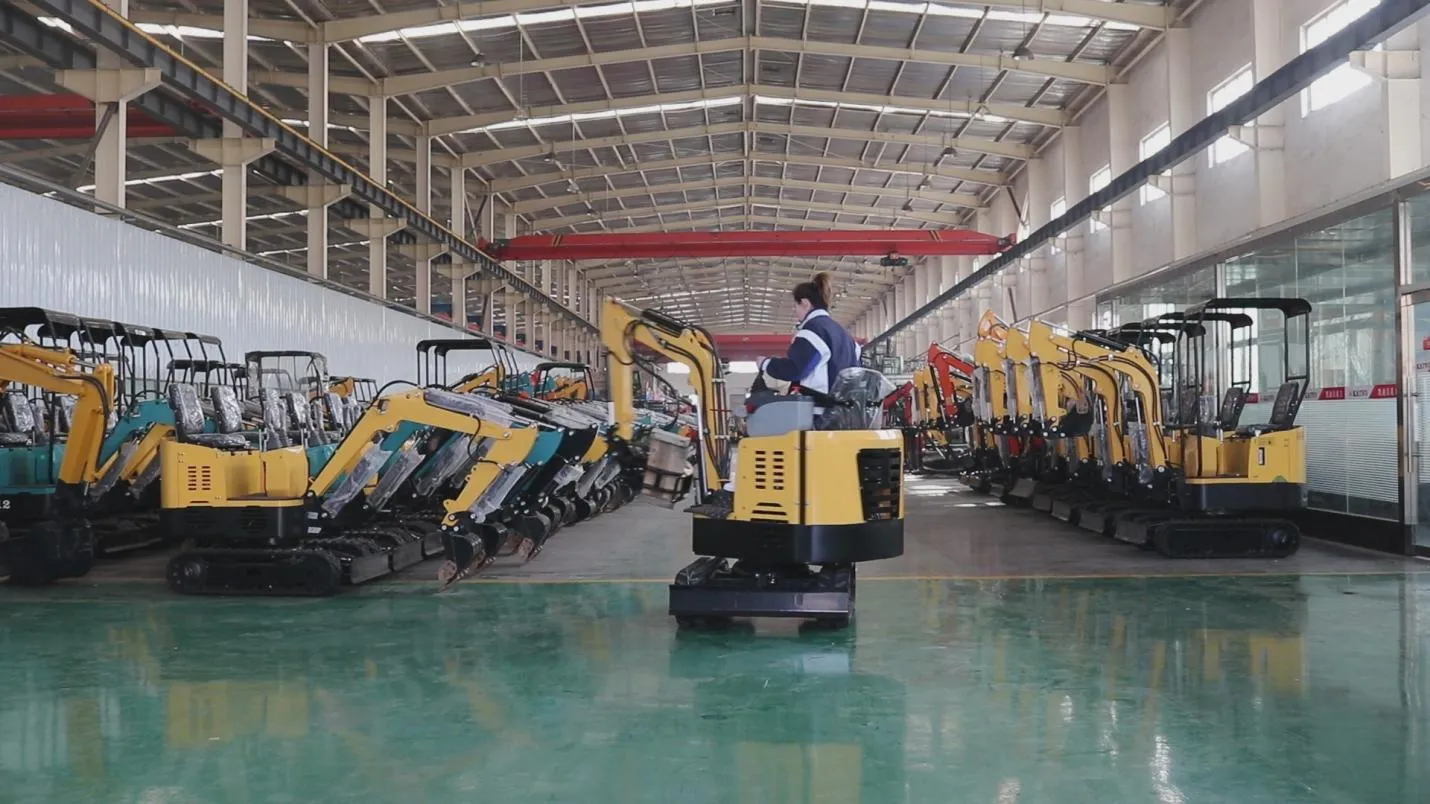
JRD Machinery supplies CE-certified compact excavators in fleet quantities with consistent specification across units, service documentation packages, and parts support. Volume pricing available for orders of five or more units.
Visit www.jrdmachinery.com or contact us with your target fleet size and market profile for a fleet specification recommendation and commercial quotation.