



Attachment Sequencing for Small Construction Teams Using a Skid Steer Loader
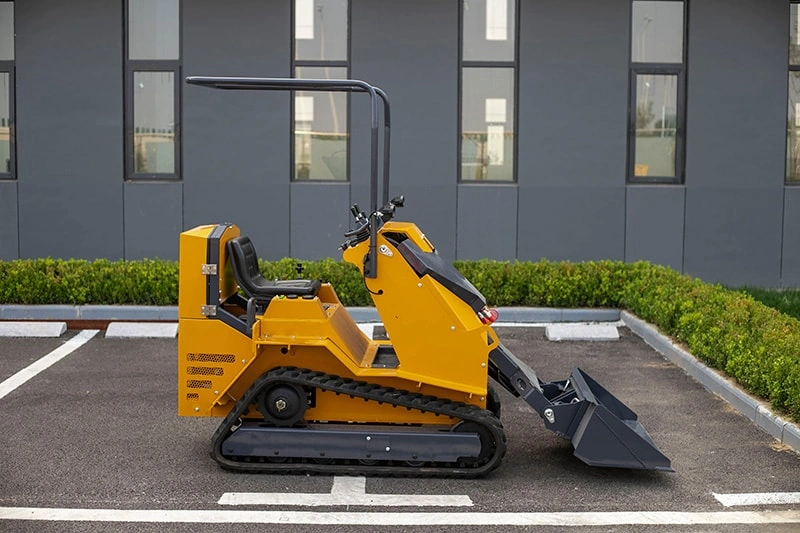
For small construction teams, productivity is rarely limited by machine size; it is more often limited by task flow, staging space, and how many times the crew has to stop to reconfigure equipment. More often, it depends on how well daily tasks are sequenced and how efficiently attachments are used throughout the job. With a skid steer loader, proper attachment sequencing helps crews complete multiple operations with fewer stops and fewer extra machines, as long as attachment changes are planned into the day. When a single machine is expected to support several trades, the “best” plan is usually the one that keeps the site moving with fewer interruptions, not the one that tries to optimize one task at the expense of the next.
Unlike large sites with dedicated machines for each task, small teams rely on one loader to support several functions. Buckets, pallet forks, and sweepers are typically used in phases—often by area or by work segment—so each attachment supports a clear block of tasks before the next changeover. The key is arranging these phases in a logical order so that attachment changes happen naturally rather than reactively. A practical approach is to stage attachments in a consistent spot near the access lane, so changeovers happen on level ground and do not interrupt other traffic. When materials are delivered in waves, the plan should also reserve a “fork window” so the crew is not forced to swap attachments repeatedly just to unload or reposition pallets.
Structuring the Workday Around Attachments
Most workdays begin with material movement. A skid steer bucket is used for loading, relocating aggregates and debris, and light digging or back-dragging when the job calls for quick surface correction. This early bucket block is often when crews open up working space: moving stockpiles into a cleaner staging area, clearing loose debris from travel paths, and doing quick rough leveling so deliveries and foot traffic can flow. Once material handling tasks are complete, switching to pallet forks allows crews to move pallets, tools, or prefabricated components without interrupting site flow. Fork work becomes faster when it is grouped: multiple pallet moves in one run, then a return to the work face, rather than scattered one-off lifts that force repeated changeovers.
Cleanup is usually scheduled as a “segment closeout” step—after a block of loading or transport—rather than after every small task that interrupts momentum. Installing a sweeper after loading or transport phases keeps the site organized while avoiding excessive attachment changes. This structure reduces idle time and maintains a steady work rhythm, especially on compact sites where loose gravel, soil, or packaging debris quickly spreads into walkways and vehicle lanes.
Reducing Downtime Through Planned Transitions
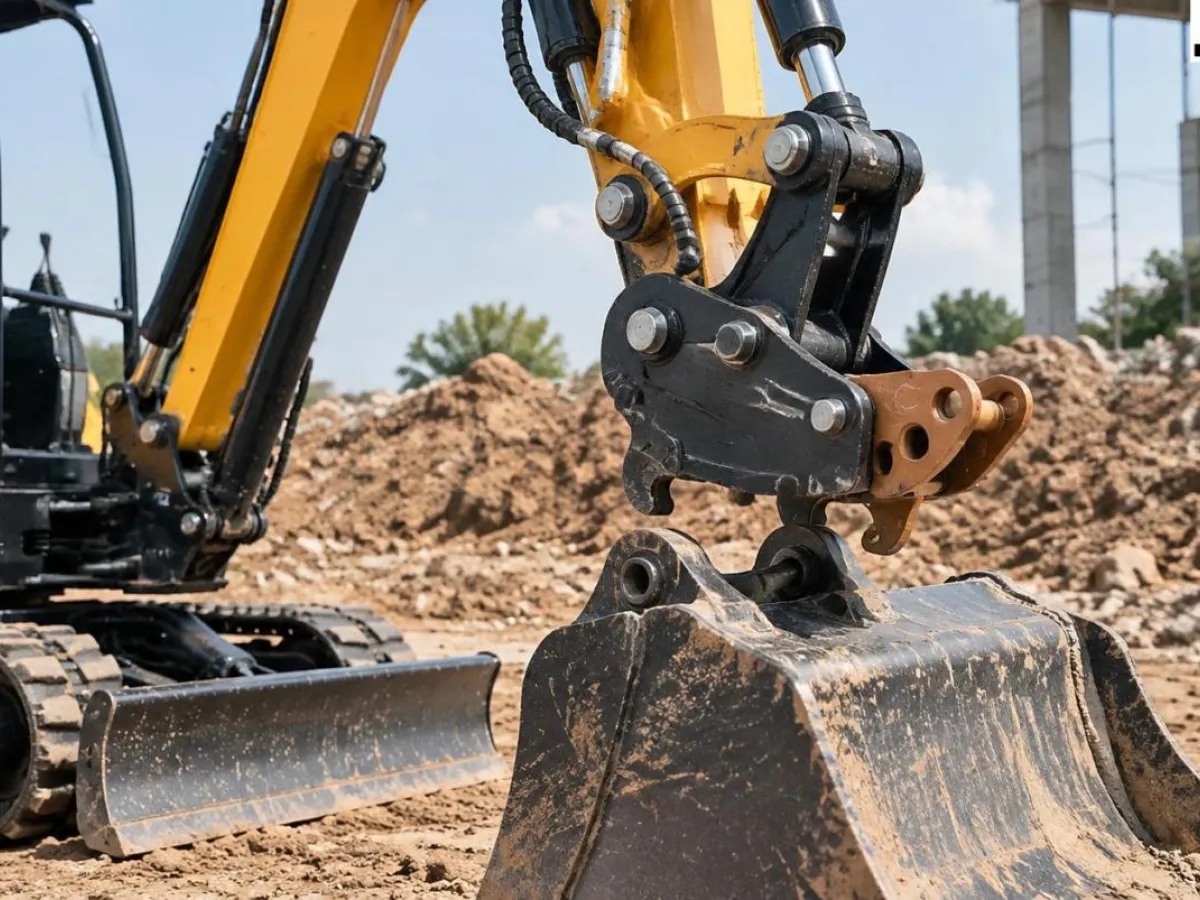
Frequent attachment changes slow productivity and can increase wear and contamination risk at couplers and hydraulic connections. Small teams benefit from grouping tasks that share similar attachment requirements. For example, all lifting and transport tasks can be completed in sequence before switching to surface cleanup or leveling. A simple rule that helps in the field is “finish the area before you change the tool”: complete the bucket work for one zone, then switch for forks, then sweep that same zone before moving on. This reduces backtracking and keeps the site easier to manage.
Operators who anticipate the next task rather than reacting to immediate needs experience smoother transitions. This planning also helps avoid unnecessary machine shutdowns and restarts, which can reduce lost minutes and keep the workflow steadier over the day. When changeovers are scheduled, crews can also plan small checks—such as wiping connectors and ensuring hoses are not twisted—so the next attachment phase starts cleanly and predictably.
Practical Benefits for Small Teams
Attachment sequencing is not about maximizing speed. It is about maintaining consistency across the workday. When tasks are planned in logical order, operators remain focused, sites stay organized, and equipment performs predictably. It also helps small teams communicate: everyone knows what the skid steer is “doing next,” which reduces waiting and last-minute requests.
For small construction teams, this approach turns a single skid steer loader into a reliable all-day support machine rather than a tool that constantly stops for adjustments. With a clear sequence, the loader becomes a steady backbone for the job instead of a bottleneck.