



Reducing Equipment Downtime Through Proper Attachment Planning
On small and mid-sized job sites, downtime often comes less from mechanical failure and more from workflow gaps like unplanned attachment swaps and stalled decision-making. More often, it is caused by unplanned attachment changes, waiting for materials or access, and task sequencing that forces the loader to bounce between unrelated jobs. Proper attachment planning helps keep a skid steer loader productive by reducing the number of stops needed to change tools, reposition, and reconnect hydraulics. For small crews, these stops matter because one machine often supports multiple trades, so every interruption affects more than one person’s progress.
Downtime often shows up as small, repeated gaps—two minutes here, five minutes there—rather than one obvious long stop. Each pause to choose the next attachment, stage the machine on level ground, clean couplers, and reconnect hydraulics adds up over time. When these interruptions repeat across a full day, overall productivity declines noticeably, even though the machine itself remains operational. The job still “moves,” but it moves unevenly, with a stop-start rhythm that creates missed handoffs, cluttered staging areas, and repeated rework such as re-leveling travel lanes or re-clearing debris.
Planning Attachments Before Work Begins
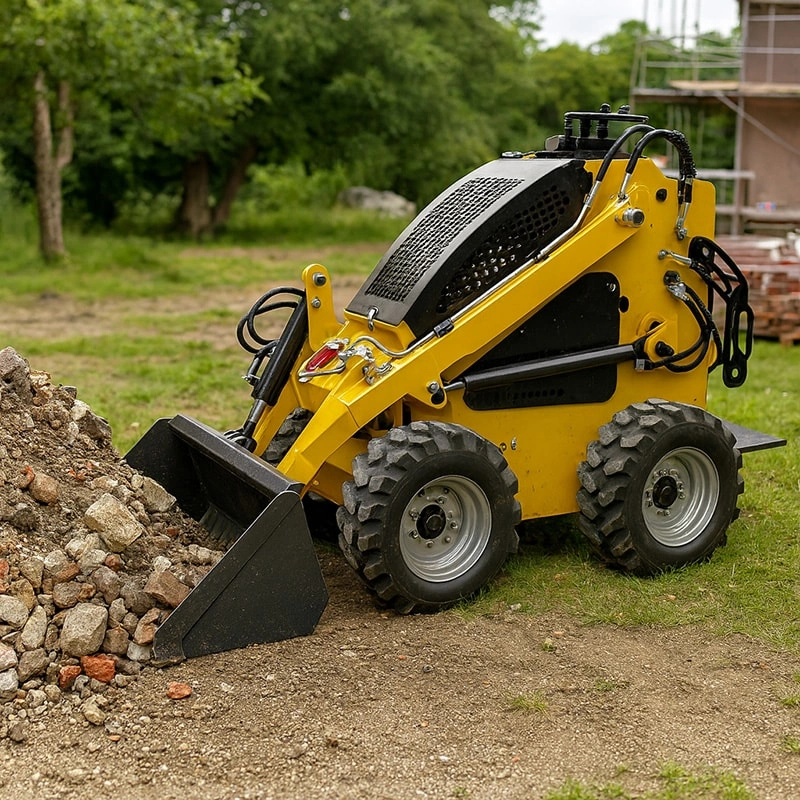
Effective attachment planning starts before the engine is started, with a simple task list that maps each work segment to one primary attachment. Crews that review daily tasks and identify which attachments are required for each phase of work experience fewer interruptions later. A skid steer bucket typically covers early material movement and rough staging, while pallet forks and sweepers are assigned to clear “windows” later in the day for transport and cleanup blocks. This keeps the machine in one “mode” long enough to finish a section instead of swapping tools after every small request.
By staging attachments close to the work area and arranging tasks to minimize switching, operators maintain momentum. This approach reduces unnecessary shutdowns and restarts and helps the crew maintain a steadier working rhythm across the shift. In practice, it also helps to stage attachments in a consistent location with enough clearance for approach and connection, so changeovers are predictable and do not block site traffic.
Minimizing Wear from Frequent Changes
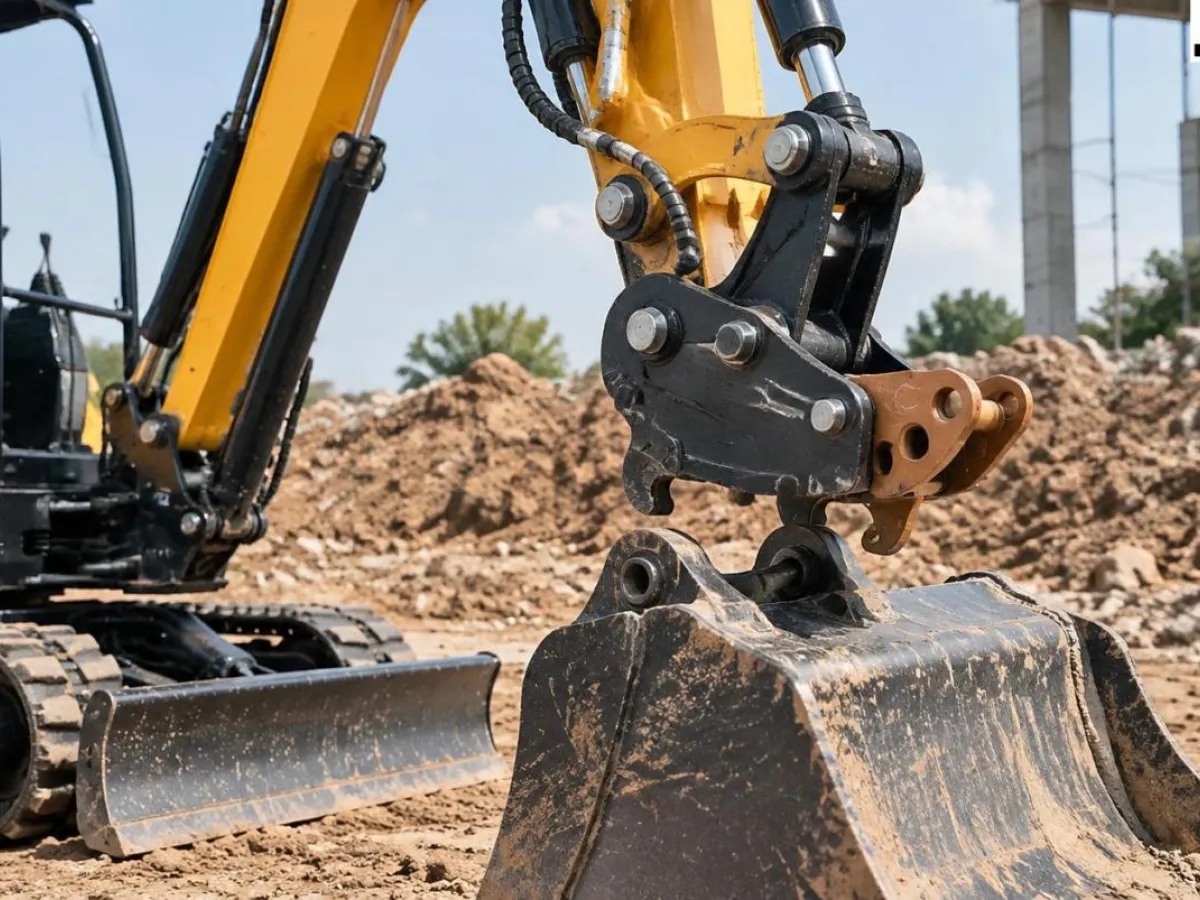
Attachment changes introduce mechanical and hydraulic wear. Quick couplers, hoses, and locking mechanisms experience stress each time they are engaged. While modern systems are designed for frequent use, unnecessary switching shortens service intervals and increases maintenance demands. Frequent connecting and disconnecting can also increase the chance of dirt entering couplers if the work area is dusty or muddy, which may lead to additional troubleshooting later.
Planned attachment use limits these cycles. Completing all bucket-related tasks before switching to cleanup or transport reduces both downtime and long-term wear, improving overall equipment reliability. When crews build the day around a small number of well-defined attachment blocks, the loader spends more time working and less time being reconfigured.
Consistent Workflow, Consistent Output
Reducing downtime is not about rushing work. It is about maintaining a steady operating rhythm. When attachments are planned in advance, operators focus on execution rather than decision-making. This consistency keeps skid steer loaders productive and reliable across long workdays, and it helps small teams finish each work segment with a cleaner, safer site setup for the next phase.