



From Material Handling to Site Cleanup: A Continuous Skid Steer Workflow
Many job sites treat material handling and cleanup as separate operations, even though the same travel lanes and staging areas are affected by both. In practice, skid steer loaders often work more consistently when these tasks are connected as a continuous workflow, with planned transitions between attachments. A structured transition from loading to cleanup helps maintain order and efficiency throughout the site. When crews plan these transitions, the skid steer spends more time in productive cycles and less time waiting for space to open up or for someone to decide what to do next.
Material movement typically generates loose debris, uneven surfaces, and cluttered pathways. Stockpiles shift, small rocks roll into lanes, and light waste accumulates around the work zone edges. If cleanup is delayed until the end of the day, loose material and clutter can interfere with deliveries, walking paths, and accurate placement for the next task. Integrating cleanup into the workflow improves safety and keeps productivity steady. It also helps the crew maintain clearer boundaries between “active work areas” and “clean travel lanes,” which reduces unnecessary tracking and repeated rework.
Linking Attachments to Work Phases
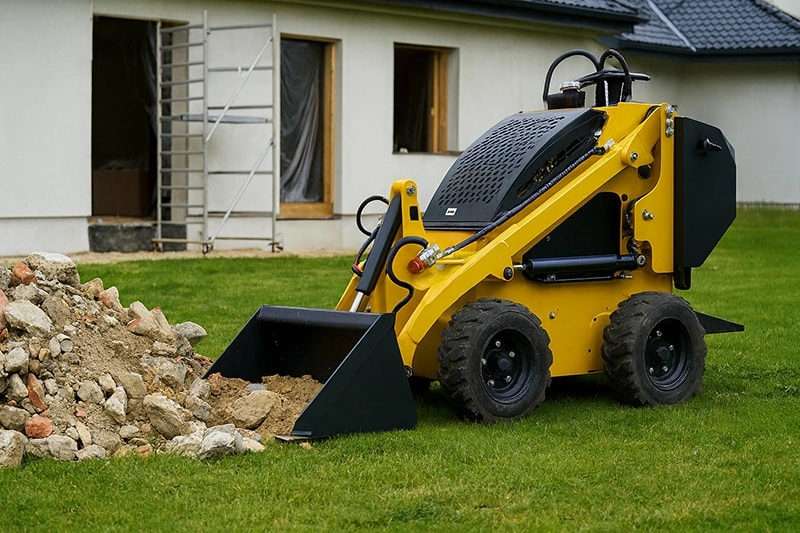
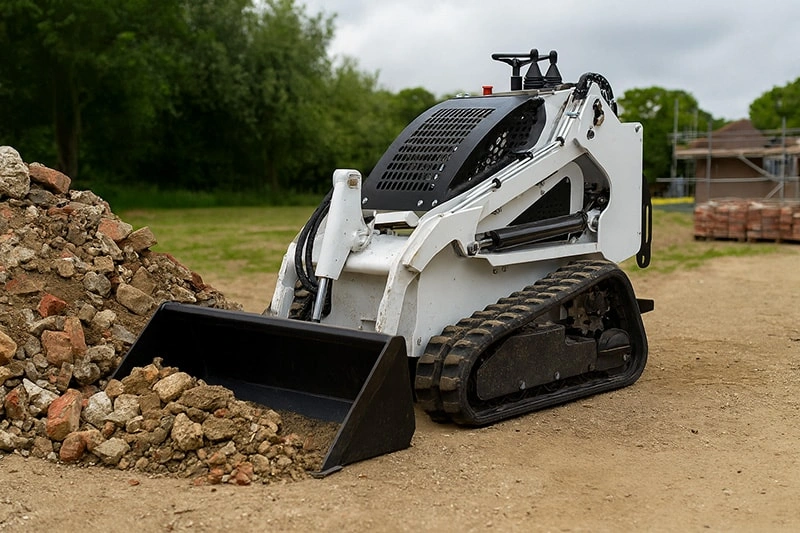
A skid steer bucket is usually the first attachment in use, handling loading, debris relocation, and light digging or back-dragging where needed. During this phase, the focus is to complete bulk movement in a defined zone—finish the stockpile moves, complete the rough leveling, and keep staging areas functional. Once bulk material tasks are complete, switching to a sweeper allows operators to clear residual material without stopping work entirely. Sweeping at the right moment can also prevent loose debris from being compacted by repeated traffic, which makes later cleanup slower.
This transition is most effective when planned rather than reactive. Cleanup performed immediately after a loading phase restores access routes and prepares the site for the next operation, whether it involves transport, installation, or inspection. Scheduling sweeping as a “phase closeout” step also reduces the temptation to switch attachments repeatedly for small, scattered cleanup requests.
Maintaining Site Order Throughout the Day
Continuous cleanup reduces the accumulation of debris that can slow later tasks. Operators benefit from clearer visibility along travel lines and more stable footing at turning points, while other crews experience fewer disruptions when moving materials or setting components. This approach also minimizes the need for dedicated cleanup equipment, keeping operations compact, especially on smaller sites where space and staffing are limited. Over a full shift, these smaller improvements compound into a more predictable workflow.
Efficiency Through Integration
By viewing material handling and cleanup as connected steps rather than separate jobs, contractors improve site flow. The skid steer loader becomes a tool for both production and maintenance, supporting consistent progress from start to finish. With clear work phases and planned attachment transitions, the jobsite stays more organized, and the crew spends less time recovering from disorder created earlier in the day.